The Nigeria Democratic Congress (NDC) has reached out to prominent opposition figures, including Peter Obi and Rabiu Kwankwaso, urging them to join its platform and contest the 2027 presidential election under a joint ticket.
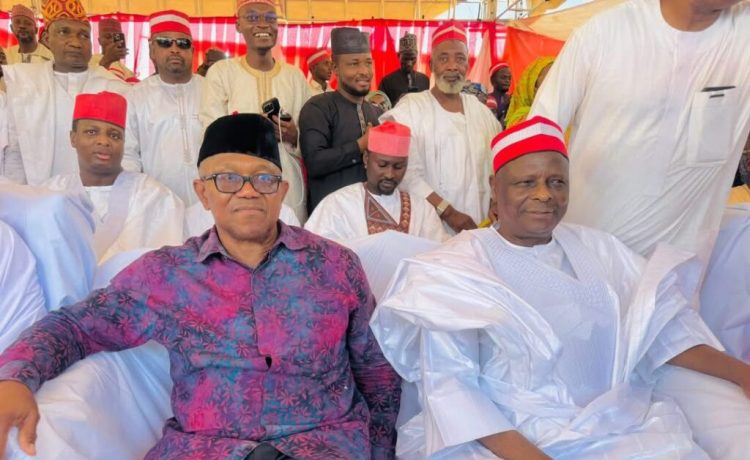
In a post shared on X, the party described a limited “two-week window” as a crucial opportunity for the two politicians to align with its platform ahead of the electoral deadline set by the Independent National Electoral Commission. The post featured a handshake image of both men with the caption: “Nigeria will be OK.”
The outreach comes amid growing political realignments within opposition circles, including the emergence of the so-called “OK Movement,” a grassroots mobilisation effort supporting a possible Obi–Kwankwaso joint presidential ticket.
The Independent National Electoral Commission has fixed May 30, 2026, as the deadline for political parties to submit membership registers and nominate candidates for the 2027 general elections. However, several opposition parties have called for an extension of the timetable, arguing that it places them at a disadvantage.
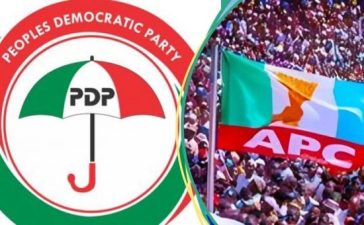
Among those seeking an extension are factions within the African Democratic Congress (ADC), the Peoples Democratic Party (PDP), and the New Nigeria Peoples Party (NNPP), who have proposed pushing the deadline to the end of July.
Meanwhile, internal tensions continue to rise within opposition ranks as ADC stakeholders, under the Grassroots for Mobilisation Network, accused unnamed actors in the ruling establishment of interfering in judicial processes related to the party’s leadership dispute.
Spokesperson Peter Emeka alleged that there were attempts to influence the Supreme Court’s handling of the ADC leadership case, warning that such actions could undermine judicial independence and democracy.
He further claimed that public statements attributed to political actors suggest pressure on institutions, calling on the presidency and the All Progressives Congress (APC) to address the allegations.
Reports of alleged interference have not been independently verified, but they have sparked renewed debate about the neutrality of institutions ahead of the 2027 elections.
Legal analysts, however, maintain that internal party disputes are generally considered non-justiciable, referencing established Supreme Court precedents that classify party leadership matters as internal affairs.
As political negotiations intensify and coalition talks gain momentum, analysts say Nigeria’s opposition landscape is becoming increasingly fluid, with parties racing to position themselves ahead of key electoral deadlines.