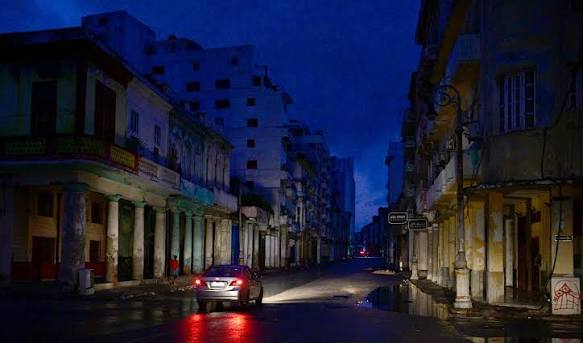
Millions of people across Cuba were left without electricity on Wednesday after a major blackout struck much of the island, including the capital Havana, amid a worsening energy crisis that has plagued the nation’s power grid.
The national electricity company Unión Eléctrica (UNE) said a shutdown at the Antonio Guiteras thermoelectric power plant triggered the outage, which stretched from the western region near Pinar del Rio to central Camagüey, cutting power for millions and disrupting daily life across the country. Restoration efforts are underway, prioritising power for hospitals and critical infrastructure.
The blackout — the second major outage in about three months — compounds years of chronic power cuts as Cuba contends with crumbling energy infrastructure, aging generation capacity and, most critically, shortages of fuel needed to run power plants.
Cuba relies heavily on imported fuel for electricity generation. Its long‑standing lifeline of oil from Venezuela largely ended after U.S. pressure halted shipments late last year, dramatically reducing available petroleum supplies. Blackouts lasting up to 18 hours a day have affected hospitals, dialysis patients and water pumping stations, and have forced rationing of public transport and services.
The power emergency has also worsened shortages in aviation fuel, prompting airlines to scale back or cancel flights. French national carrier Air France announced it will suspend flights between Paris and Havana from late March until at least mid‑June, citing the ongoing fuel scarcity and its impact on tourism and economic activity. Affected passengers will be offered refunds, rebooking or vouchers.
International carriers have already been limiting service, with several Russian and Canadian airlines suspending routes earlier due to the lack of available jet fuel.
Cuban authorities have implemented strict fuel‑saving measures in response to the crisis and warned that jet fuel shortages could persist across multiple airports into April, further denting tourism and connectivity.
The energy crisis is widely linked to tightened U.S. sanctions and blockades targeting Cuba’s access to oil and external financing. Leaders in Havana blame these measures for deepening shortages that have crippled vital services and worsened living conditions.
For many Cubans, the latest outage underscores long‑standing vulnerabilities in the island’s electric grid and the broader fuel supply shortages that continue to darken homes, businesses and essential services across the country.