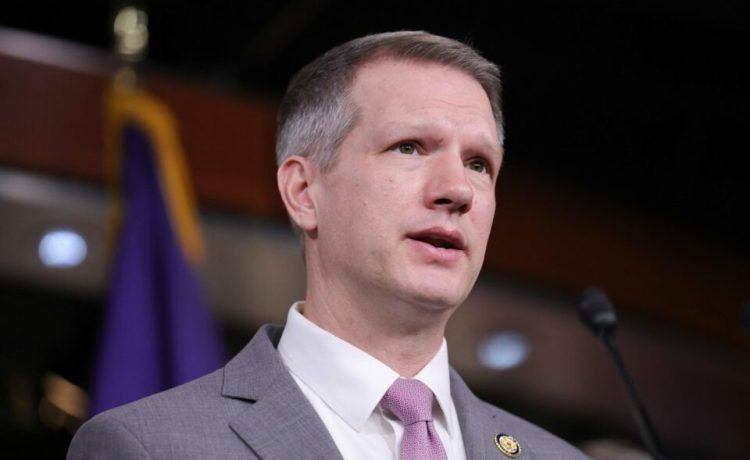
A United States lawmaker, Riley Moore, has criticised the administration of Bola Ahmed Tinubu over what he described as a failure to meet conditions attached to US security assistance to Nigeria.
Moore, who represents West Virginia’s 2nd District, made the remarks in a post on X on Wednesday, calling on the US Secretary of State, Marco Rubio, to consider Nigeria’s compliance record when administering upcoming funding cycles.
“In my view, the Tinubu administration has failed to live up to the conditions the appropriations committee placed on security assistance. I urge @SecRubio to take this into account in administering both FY26 and FY27 funding,” he wrote.
The reference to FY26 and FY27 relates to the United States fiscal years, which run from October 1 to September 30, covering the next budget cycles during which Congress determines allocations for foreign assistance.
The funding in question includes US security support to Nigeria, such as military training, equipment supply, intelligence sharing and counter-terrorism cooperation aimed at addressing threats like insurgency, banditry and organised crime.
Such assistance is typically subject to approval by the US Congress and tied to conditions, including adherence to human rights standards, accountability in the use of funds and measurable progress in tackling security challenges.
Moore’s latest comments follow earlier criticisms in which he raised concerns about insecurity in Nigeria, particularly violence affecting Christian communities. In November 2025, the lawmaker accused the Federal Government of failing to justify billions of dollars in military assistance received from Washington while alleging continued killings of Christians.
He warned that prolonged inaction could worsen the situation and stressed the need for stronger cooperation to prevent further escalation of insecurity.
The Nigerian government has, however, rejected claims that the country’s security challenges amount to targeted religious persecution, maintaining that violence affects both Christians and Muslims and is driven by broader criminal and insurgent activities.
Earlier this year, Nigeria’s Defence Headquarters stated that military cooperation with the United States does not undermine national sovereignty and comes at no cost to the country. It also confirmed the deployment of about 100 US personnel and equipment in February following bilateral engagements.
According to the military, the collaboration is part of efforts to strengthen Nigeria’s capacity to combat evolving security threats.
Despite these assurances, Moore insisted that Nigeria’s adherence to the conditions attached to US assistance would influence future funding decisions, signalling the likelihood of increased scrutiny in the coming fiscal years.