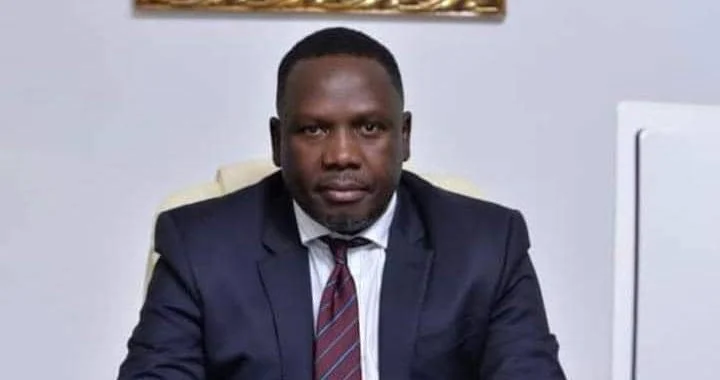
Criminals’ use of foreign internet services is making it increasingly difficult for Nigerian security agencies to track bandits and terrorists, the Special Adviser to President Bola Tinubu on Policy Communication, Daniel Bwala, has said.
Bwala spoke in an interview with Nigeriainfofm, posted on Instagram on Friday, explaining that while authorities can trace Nigerians using local platforms, tracking those who rely on services outside the country is far more complex.
“There is a regulatory body in Nigeria that has the database of Nigerians and their phone numbers. There is also a body that deals with internet service provision, where if you are using an internet service covered within the sphere of Nigeria, they can trace through the IP address,” he said.
He added, “If you are using Starlink, we cannot trace it because Starlink is not registered in Nigeria; it is in space. That is the problem they have in Ukraine and Russia. These terrorists most of the time are using cellular services from neighbouring countries and not from Nigeria, so it becomes tricky.”
Bwala’s comments underscore the technological challenges facing security agencies in tackling banditry, terrorism, and kidnappings, particularly in the northwest and northeast of the country.
Reports indicate that some criminal groups are increasingly using social media platforms such as TikTok to coordinate activities, flaunt ransom payments, showcase weapons, and spread propaganda to aid recruitment. A May 2025 report by The Guardian highlighted that jihadists in the northeast were using TikTok to reach a wide audience, risking youth recruitment and public intimidation.
The rise in digital coordination by criminals adds another layer of complexity for authorities already grappling with widespread insecurity, attacks on villages, highway raids, and abductions, which have disrupted local communities and economies.