The World Health Organization (WHO) has significantly revised the number of suspected Ebola cases linked to the ongoing outbreak in Central Africa, reducing the figure from more than 900 to 116.
The updated figures, released on Tuesday, show that as of May 31, a total of 116 suspected Ebola cases were recorded in the Democratic Republic of Congo (DRC), compared to 906 reported late last week.
At the same time, the WHO confirmed that 321 Ebola cases have been verified in the DRC, including 48 deaths. In neighbouring Uganda, nine confirmed cases have been recorded, with one death reported.
According to WHO spokesman Christian Lindmeier, the sharp reduction in suspected cases followed extensive testing and investigations that showed many patients were suffering from other illnesses rather than Ebola.
He explained that anyone identified through surveillance systems or presenting symptoms associated with Ebola is initially classified as a suspected case pending laboratory confirmation.
“Anybody who gets picked up by surveillance or presents themselves in a health facility with any symptoms that could be Ebola-like is counted as a suspected case,” Lindmeier said.
However, once testing is completed, many cases are removed from the suspected category if they are found to be caused by other diseases.
Lindmeier noted that several patients initially suspected of having Ebola were later diagnosed with illnesses such as malaria, meningitis, and other infections that share similar symptoms.
“They then drop off the suspected cases list and do not appear in that statistic anymore,” he explained.
He added that individuals who test positive are subsequently included in the confirmed case count.
The outbreak was officially declared on May 15 in Ituri Province, a conflict-affected region in northeastern Democratic Republic of Congo.
Health officials believe the virus may have been circulating undetected for several weeks before the outbreak was formally announced.
One of the challenges in identifying cases quickly is that the Bundibugyo strain of the Ebola virus, which is responsible for the current outbreak, initially presents symptoms similar to common illnesses such as influenza, malaria, and typhoid fever.
This similarity often delays diagnosis and increases the risk of transmission before patients receive appropriate medical attention.
The WHO also revised its reporting methodology regarding suspected Ebola-related deaths.
Previous updates had listed 223 deaths suspected to be linked to the outbreak. However, the latest report no longer includes that category.
Lindmeier explained that the figure carried a high degree of uncertainty because it included people who died before investigations began and whose remains could not always be exhumed for testing.
Despite the ongoing outbreak, health authorities reported some positive developments.
The WHO confirmed that six people who contracted Ebola during the outbreak have successfully recovered.
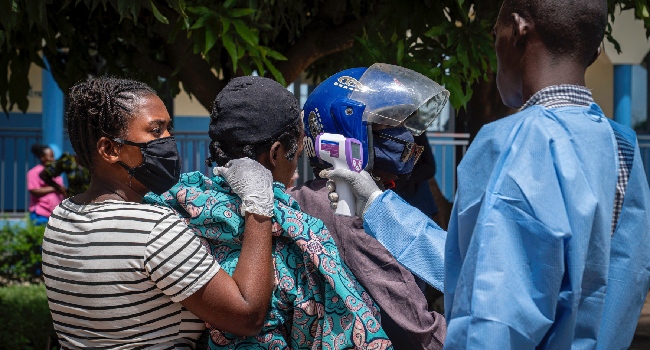
Efforts to contain the spread of the virus continue across affected communities in both the DRC and Uganda.
Health officials face additional challenges because there is currently no approved vaccine or specific treatment available for the Bundibugyo strain of Ebola.
As a result, containment strategies rely heavily on surveillance, contact tracing, isolation of infected individuals, community awareness campaigns, and other preventive public health measures.
The WHO and its partners continue to support local health authorities in strengthening response efforts and limiting further transmission of the deadly virus.