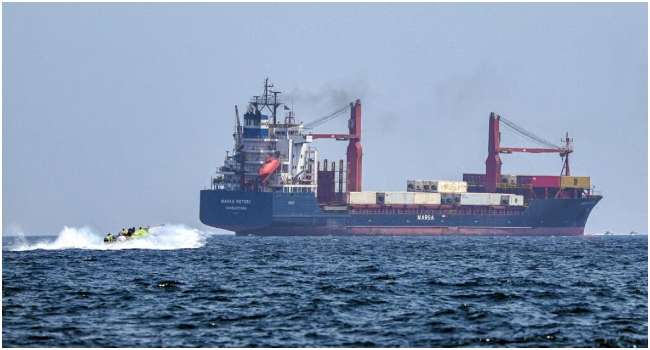
Crude oil exports from Norway surged to a record high in March as the conflict involving Iran and the closure of the strategic Strait of Hormuz triggered a global supply shock and drove up oil prices.
According to data released on Wednesday by Statistics Norway, the Scandinavian country recorded crude oil exports worth 57.4 billion kroner (about $6.08 billion) in March, representing a 67.9 per cent increase compared with the same month last year.
Analyst Jan Olav Rorhus said the disruption of the Strait of Hormuz—a vital shipping corridor for global energy trade—played a key role in pushing prices higher.
“The closure of the Strait of Hormuz has caused a significant supply shock on the oil market, which contributed to the high oil prices in March and thus Norway’s highest export value ever,” Rorhus said in a statement.
Roughly one-fifth of the world’s crude oil and liquefied natural gas shipments normally pass through the narrow waterway during peacetime, making it one of the most critical energy transit routes globally.
The average oil price reached 1,014 kroner (about $107.52) per barrel in March, the highest monthly level since September 2023, according to the statistics agency.
The export windfall has also drawn attention from Donald Trump, who referenced Europe’s energy situation in a post on his Truth Social platform.
“Europe is desperate for energy, and yet the United Kingdom refuses to open North Sea oil, one of the greatest fields in the world. Tragic!!!” Trump wrote.
He also suggested that Norway was benefiting significantly from the situation, claiming the country was selling its North Sea oil to the United Kingdom at elevated prices.
Norway remains Europe’s largest producer of oil and natural gas outside Russia, and much of its national wealth is tied to energy exports.
Revenue generated from oil and gas production is channelled into the country’s sovereign wealth fund, officially known as the Government Pension Fund Global. With assets valued at around $2.19 trillion, it is the largest sovereign wealth fund in the world.
Established in the early 1990s, the fund was designed to safeguard Norway’s oil wealth for future generations and to finance long-term spending in the country’s welfare system as energy revenues gradually decline.