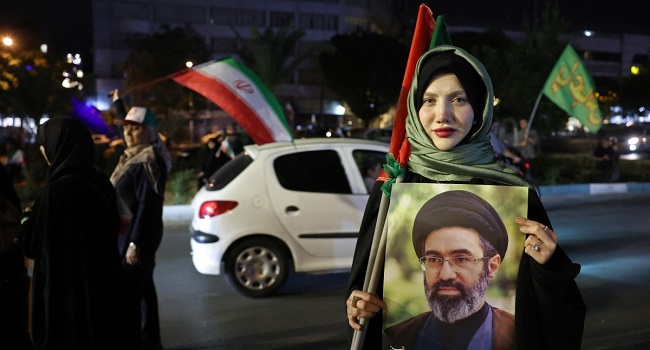
Iran has rejected any agreement with the United States that does not fully guarantee what it describes as the rights of the Iranian people, as diplomatic efforts to finalise a peace deal and stabilise the Strait of Hormuz face renewed uncertainty.
The statement was issued on Sunday by Iran’s chief nuclear negotiator, Mohammad Bagher Ghalibaf, who said Tehran would not approve any deal unless its core demands are fully met.
“We will not approve any agreement until we are certain that the rights of the Iranian people have been upheld,” he said in a televised address.
The development comes amid reports that the United States had sent a revised and tougher framework for a potential agreement back to Iran, further complicating already fragile negotiations.
US media outlets reported that the new proposal, linked to President Donald Trump, includes stricter conditions aimed at preventing Iran from developing nuclear weapons and reopening key maritime routes through the Strait of Hormuz.
However, details of the revised proposal remain unclear, and Iranian officials have questioned earlier US claims regarding the content of the talks.
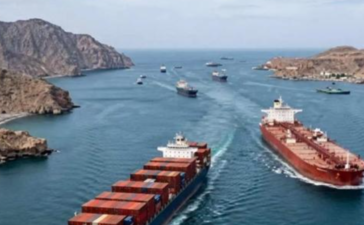
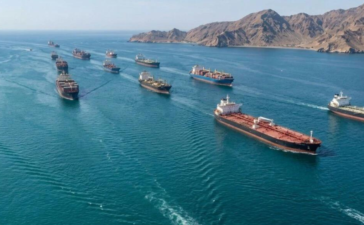
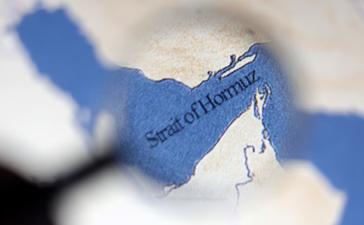
The Strait of Hormuz, a critical global energy corridor, has been a central point of contention in the negotiations, with both sides linking maritime security to broader political and military concessions.
Washington has maintained that preventing nuclear weapons development is a non-negotiable condition for any deal, while also pushing for the full reopening of shipping lanes in the region.
Iran, meanwhile, has demanded the release of approximately $12 billion in frozen assets before substantive negotiations can proceed, according to Iranian state media reports.
Tehran has also dismissed suggestions that its uranium stockpile would be dismantled under any agreement, calling such claims “baseless.”
Tensions have remained high despite a temporary ceasefire reached in April, with sporadic military incidents continuing across Iran and the Gulf region.
Earlier reports indicated that Iranian forces had shot down a US military drone allegedly approaching Iranian territorial waters, though Washington has not confirmed the incident.
The latest diplomatic friction follows renewed warnings from US officials, including defence statements suggesting that military action remains an option if negotiations fail.
Despite ongoing talks, both sides remain divided on key issues, including nuclear oversight, sanctions relief, and regional security arrangements.
In parallel, regional tensions have also escalated in Lebanon, where Israeli military operations against Hezbollah have expanded beyond the Litani River.
Israeli Defence Minister Israel Katz confirmed that forces had advanced deeper into southern Lebanon as part of ongoing operations targeting Hezbollah positions.
Lebanese authorities have accused Israel of pursuing a “scorched-earth policy,” while calling for an immediate ceasefire to halt the widening conflict.
A fragile truce between Israel and Hezbollah remains in place but has repeatedly been violated by both sides since April.
Diplomatic efforts continue across multiple fronts, but analysts warn that the overlapping conflicts in Iran, the Gulf, and Lebanon risk further destabilising the broader Middle East if negotiations fail to produce a lasting agreement.