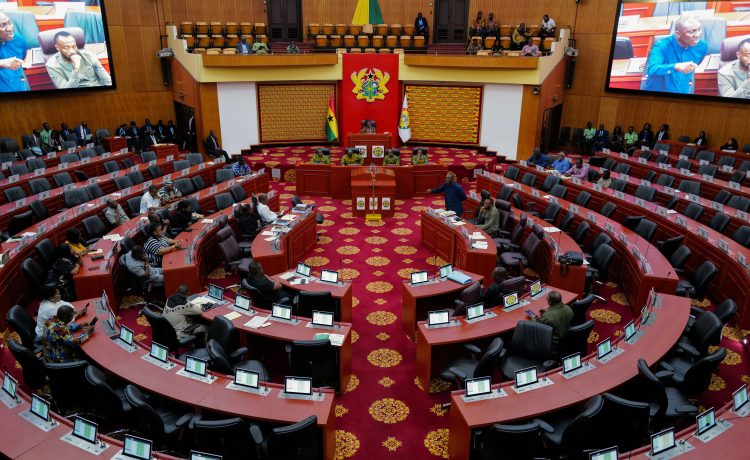
Ghana’s Parliament on Friday approved a controversial bill that criminalizes the promotion of LGBTQ activities, marking a significant development in the country’s ongoing debate over sexual minority rights.
The Human Sexual Rights and Family Values Bill, 2025, was passed through a voice vote after receiving unanimous backing from Parliament’s Constitutional and Legal Affairs Committee. First Deputy Speaker Bernard Ahiafor announced the approval during the parliamentary session.
The legislation was introduced last year shortly after President John Dramani Mahama assumed office. Members of the ruling National Democratic Congress faced increasing pressure from religious groups and supporters of the bill to advance the measure through Parliament.
President Mahama is now expected to come under renewed pressure to sign the bill into law.
The newly approved legislation follows an earlier version that was passed by lawmakers in 2024 during the administration of former President Nana Akufo-Addo. However, that version faced legal challenges and was never signed into law before Akufo-Addo left office.
Under the bill, same-sex sexual acts remain punishable by up to three years in prison. The legislation also criminalizes the funding, sponsorship, or promotion of LGBTQ-related activities, with penalties ranging from three to five years of imprisonment.
In addition, the bill introduces a duty-to-report provision. Individuals who fail to report prohibited LGBTQ-related activities to law enforcement authorities could face prison terms of up to three years.
Another key provision amends Ghana’s Extradition Act of 1960, making offenses covered by the new legislation extraditable crimes.
The move reflects a broader trend across West Africa, where several countries have recently introduced or strengthened laws targeting LGBTQ communities.
In Senegal, President Bassirou Diomaye Faye signed legislation in March that doubled the maximum prison sentence for same-sex sexual acts to 10 years while also criminalizing efforts to promote homosexuality.
Meanwhile, lawmakers in Burkina Faso voted in September last year to criminalize same-sex sexual acts for the first time. The law also penalizes behavior considered likely to promote homosexual practices.
Human rights groups have repeatedly expressed concern over the growing number of anti-LGBTQ laws in the region, while supporters argue the measures are necessary to preserve cultural and family values.