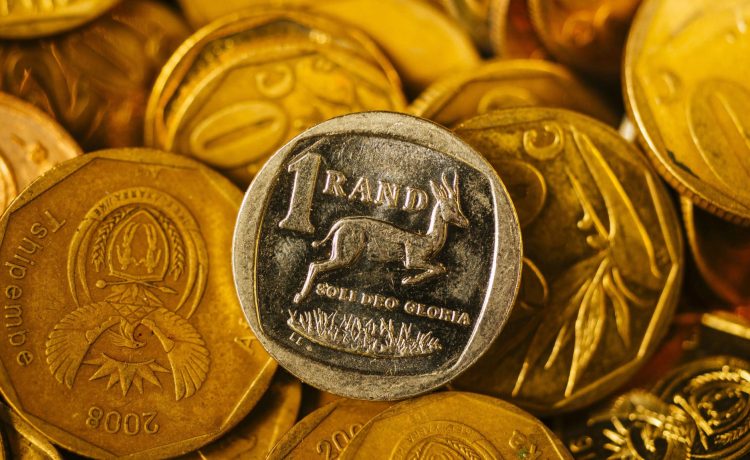
The South African rand strengthened against the US dollar on Wednesday, September 2, 2026, as weaker-than-expected employment data from the United States put pressure on the dollar and increased expectations that the US Federal Reserve could take a more cautious approach to interest rates.
At about 1413 GMT, the rand was trading at approximately 16.0425 rand to the dollar, representing a gain of around 0.8 per cent compared with its previous close. The currency had recently come under pressure from renewed tensions in the Middle East and rising oil prices.
The movement in the rand was closely linked to developments in the US labour market.
US private payrolls increased by less than economists had expected in August. While employment increased in sectors such as education and healthcare, those gains were partly offset by job losses in manufacturing and several other industries.
The weaker employment figures caused the US dollar to lose some ground against major currencies.
For emerging-market currencies such as the rand, movements in the dollar are particularly important. A weaker dollar can make emerging-market assets more attractive to international investors and provide some support for currencies such as South Africa’s rand.
The latest figures also strengthened expectations that the Federal Reserve may adopt a more cautious approach to monetary policy.
Investors are closely watching US employment data because the strength or weakness of the American economy can influence decisions about interest rates.
If the US labour market shows signs of weakening, markets may expect the Federal Reserve to reduce interest rates or avoid aggressive rate increases. Such expectations can weaken the dollar and support risk-sensitive currencies.
However, the rand is also facing pressure from developments outside the United States.
The renewed conflict between the US and Iran has pushed global oil prices higher. Oil prices rose by about 1 per cent on Wednesday, reaching a five-week high amid concerns that fighting could disrupt global energy supplies.
Higher oil prices can create challenges for South Africa because the country imports a significant amount of its fuel requirements.
When international oil prices rise, the cost of fuel and transportation can increase, potentially putting additional pressure on inflation and household finances.
The conflict has therefore created a complicated situation for the rand.
On one hand, weaker US employment data is supporting the currency by putting pressure on the dollar. On the other hand, higher oil prices and geopolitical uncertainty could weigh on investor confidence.
Gold prices also fell to their lowest level in more than three weeks during early trading on Wednesday. Gold is particularly important to South Africa because it remains one of the country’s major exports.
Changes in commodity prices can have a significant impact on the South African economy because the country is a major producer and exporter of minerals.
Investors are therefore monitoring developments in global commodity markets alongside US economic data.
The rand’s performance is also important for South Africa’s financial markets.
South African government bonds strengthened during Wednesday’s trading session. The yield on the country’s benchmark 2035 government bond fell by around 2.5 basis points to approximately 8.655 per cent, indicating stronger demand for the debt.
On the Johannesburg Stock Exchange, however, the Top-40 index was down around 0.2 per cent, showing that investors remained cautious despite the improvement in the currency.
Markets are expected to remain focused on additional US employment figures due later in the week.
The data will help investors assess the strength of the American economy and determine whether the Federal Reserve is likely to change its approach to interest rates.
A stronger-than-expected employment report could strengthen the dollar and place renewed pressure on the rand.
Conversely, weaker employment figures could increase expectations of a more accommodative Federal Reserve and provide additional support for the South African currency.
Analysts say the rand is likely to remain sensitive to both international monetary policy and geopolitical developments.
The Middle East conflict is particularly important because a sustained rise in oil prices could increase inflationary pressures across the global economy.
For South Africa, this could create additional challenges for monetary policymakers if higher fuel and transport costs begin to push domestic inflation higher.
Despite these risks, Wednesday’s improvement in the rand provides some relief after the currency weakened during previous sessions.
The currency’s performance demonstrates how closely South African financial markets are connected to global economic and geopolitical developments.
For now, investors will continue watching the US labour market, Federal Reserve expectations, oil prices and developments in the Middle East.
The rand’s ability to maintain its gains will depend on how these factors develop over the coming days.