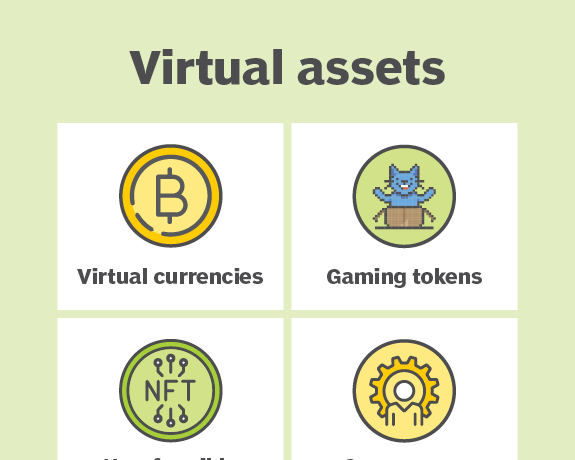
President Bola Ahmed Tinubu has signed the Presidential Executive Order on Virtual Assets Coordination, 2026, introducing a unified regulatory framework aimed at strengthening oversight of Nigeria’s rapidly expanding virtual assets ecosystem.
The Executive Order, signed pursuant to Section 5 of the Constitution of the Federal Republic of Nigeria, 1999 (as amended), takes immediate effect and is expected to harmonise the activities of government agencies responsible for regulating digital assets across the country.
The Presidency said the new policy is designed to eliminate regulatory overlaps, close existing loopholes exploited by fraudulent operators, and position Nigeria to benefit from responsible innovation in the digital economy.
A statement issued by the Special Adviser to the President on Information and Strategy, Mr. Bayo Onanuga, said the Executive Order responds to the growing complexity of virtual assets, which increasingly blur the traditional boundaries between currencies, securities, commodities and other financial instruments.
According to the statement, the absence of a coordinated regulatory framework has created inconsistencies among government agencies, exposing the country to significant financial and security risks.
The Presidency noted that the fragmented regulatory environment has contributed to challenges including money laundering, terrorism financing, cybercrime, data privacy breaches, fraud and revenue losses.
It added that many unsuspecting Nigerians have suffered financial losses after falling victim to unregistered and fraudulent virtual asset operators taking advantage of existing regulatory gaps.
“Too often, unregistered and fraudulent operators have exploited these gaps to prey on unsuspecting Nigerians, costing families their savings,” the statement said.
The Executive Order seeks to establish a coordinated supervisory architecture that will improve collaboration among relevant regulatory institutions while ensuring consistent enforcement of policies governing digital assets.
Government officials believe the initiative will also improve investor confidence by providing greater regulatory certainty for businesses operating within Nigeria’s digital finance ecosystem.
Nigeria is regarded as one of Africa’s fastest-growing markets for cryptocurrency and other virtual assets, driven largely by a young, technology-savvy population and increasing adoption of digital financial services.
While the rapid growth of the sector has created new investment and business opportunities, it has also heightened concerns over consumer protection, financial crimes and the misuse of emerging technologies.
Industry experts say a harmonised regulatory framework could encourage legitimate innovation while strengthening safeguards against illicit financial activities.
They also believe the Executive Order could support Nigeria’s ambition to become a leading digital economy by creating a more transparent and predictable operating environment for fintech companies, blockchain innovators and investors.
The Federal Government maintained that the new framework is not intended to stifle innovation but to ensure that technological advancement develops alongside effective regulation, accountability and public confidence.
With the Executive Order now in force, regulatory agencies are expected to work more closely in implementing policies that promote innovation, strengthen market integrity and protect Nigerian consumers participating in the virtual assets sector.