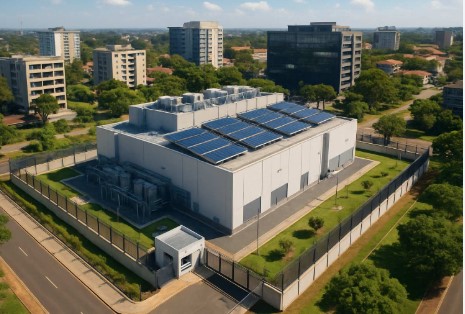
Africa’s digital infrastructure sector is undergoing rapid expansion as governments and private sector players invest heavily in cloud computing, broadband connectivity, and artificial intelligence ecosystems.
Major technology companies are increasingly establishing regional data centres, cloud hubs, and innovation labs across Africa to support growing demand for digital services.
The expansion is being driven by rising internet penetration, increased mobile usage, and growing demand for data-driven services across sectors such as finance, education, healthcare, and logistics.
Countries such as South Africa, Kenya, and Nigeria are emerging as key digital infrastructure hubs, hosting a growing number of cloud regions and data processing centres.
Industry analysts say improved infrastructure is critical for unlocking Africa’s digital economy, particularly as businesses increasingly rely on cloud-based systems and AI-powered tools.
However, infrastructure gaps remain significant in many regions, particularly in rural areas where internet access and reliable electricity supply continue to limit digital adoption.
To address these challenges, governments are partnering with international organisations and private investors to expand broadband coverage and improve connectivity infrastructure.
The expansion of digital infrastructure is also expected to support startup growth, enhance financial inclusion, and enable more efficient delivery of public services.
Experts say Africa’s digital transformation is entering a new phase, where infrastructure development will determine the pace and scale of innovation across the continent.
As investments continue to grow, stakeholders expect increased integration of AI, cloud computing, and digital platforms into everyday economic activity across African markets.