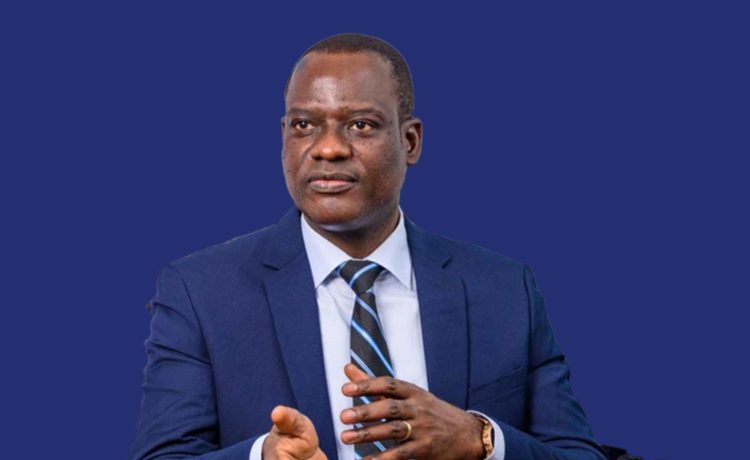
Nigeria has successfully emerged from a period of economic decline and entered a phase of increasing stability, according to the Honourable Minister of Finance and Coordinating Minister of the Economy, Mr. Taiwo Oyedele, who says the government’s next priority is to accelerate inclusive growth that delivers measurable benefits to citizens and businesses.
Speaking at the Nigeria Employers’ Summit 2026, organised by the Nigeria Employers’ Consultative Association (NECA) in Abuja, Oyedele said the difficult economic reforms implemented by President Bola Ahmed Tinubu’s administration were necessary to avert an imminent economic crisis and reposition the country for long-term prosperity.
Addressing business leaders, policymakers and development partners during a panel session titled “Reforms in Focus: The Milestones, the Challenges and the Prospects,“ the minister acknowledged that the reforms imposed short-term hardships on Nigerians. However, he maintained that the sacrifices were essential to restore fiscal sustainability and rebuild confidence in the economy.
Reforms Prevented Economic Collapse
Oyedele explained that before the current administration introduced its reform agenda, Nigeria’s fiscal position had become unsustainable.
According to him, revenues generated from crude oil were largely consumed by fuel subsidy payments, while non-oil revenues were used mainly to service debt obligations. This situation, he said, left government with limited resources to invest in infrastructure, education, healthcare and other critical sectors needed for national development.
“The reforms were not optional; they were necessary to prevent economic collapse,” Oyedele said.
He added that the government’s immediate task is to consolidate the gains already achieved, strengthen macroeconomic stability and create an environment that supports sustainable economic expansion.
Focus Shifts to Inclusive Growth
Having stabilised key economic indicators, the minister said the next phase of the government’s economic strategy will focus on accelerating productive and inclusive growth.
He noted that the administration intends to attract more investments, stimulate industrial productivity, create employment opportunities and ensure that economic growth translates into improved living standards for Nigerians.
According to Oyedele, government policies will also prioritise reducing inflation while protecting vulnerable households, low-income earners and small businesses from excessive financial pressure.
He stressed that sustainable growth can only be achieved when economic opportunities are expanded across multiple sectors of the economy.
Tax Reforms Designed to Protect Small Businesses
The minister also defended the administration’s tax reform programme, explaining that it was deliberately structured to promote fairness.
He said the reforms seek to shield small businesses and low-income households from additional financial burdens while ensuring that individuals and organisations with greater capacity contribute more towards funding essential public services.
Oyedele noted that progressive taxation remains a critical tool for improving government revenue without placing undue pressure on vulnerable segments of society.
Public Understanding Is Essential
The Finance Minister emphasised the need for Nigerians to better understand government policies and economic reforms.
He observed that many citizens often interpret government borrowing through the lens of personal finance, where debt is generally viewed negatively.
According to him, sovereign borrowing differs significantly from personal debt because governments borrow to finance infrastructure, stimulate economic activities and support national development when managed responsibly.
He argued that informed citizens are better equipped to evaluate government policies objectively and hold public officials accountable.
Stakeholders Call for Faster Implementation
Other panelists at the summit agreed that the ongoing reforms are necessary but stressed the importance of ensuring that their benefits reach businesses and ordinary Nigerians more quickly.
Among those who spoke were Dr. Kelechi Ohiri, Director-General of the National Health Insurance Authority (NHIA); Dr. Muda Yusuf, Chief Executive Officer of the Centre for the Promotion of Private Enterprise (CPPE); and Dr. Wilson Erumebor, Principal Economist and Lead for Economic Transformation and Competitiveness at the Nigerian Economic Summit Group (NESG).
The panelists called for stronger implementation of reforms across critical sectors, including healthcare financing, infrastructure development, electricity supply, tax administration and support for small and medium-sized enterprises (SMEs).
They agreed that macroeconomic stability must ultimately translate into higher productivity, stronger enterprise competitiveness, job creation and improved quality of life for Nigerians.
Nigeria Employers’ Summit Highlights Reform Agenda
The Nigeria Employers’ Summit 2026 brought together senior government officials, private sector executives, development partners and economic experts to evaluate Nigeria’s ongoing reform programme.
Discussions also examined how Environmental, Social and Governance (ESG) principles can strengthen enterprise competitiveness while promoting inclusive and sustainable national development.
Participants agreed that sustained collaboration between government and the private sector will be essential to maintaining economic stability and accelerating Nigeria’s long-term growth trajectory.
As Nigeria enters the next phase of its economic reform journey, attention is increasingly shifting from stabilisation to ensuring that growth becomes inclusive, creates jobs, supports businesses and improves the everyday lives of millions of Nigerians.