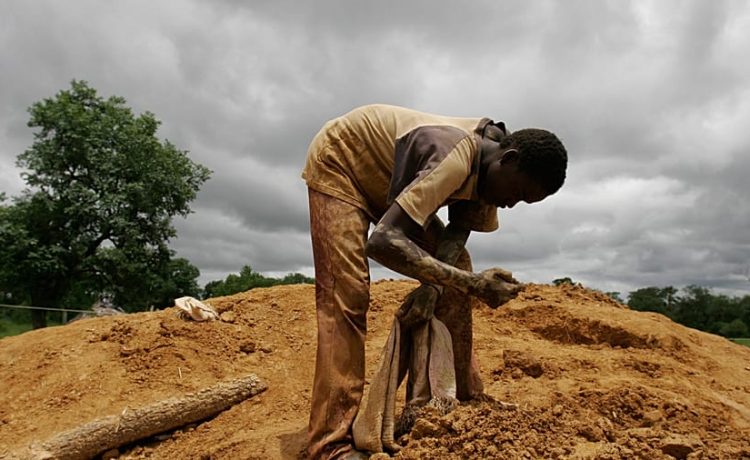
An investigation into Cameroon’s gold sector has uncovered more than 200 illegal artisanal mining companies operating across the country, according to the Ministry of Mines.
The probe, launched after significant discrepancies were found between official export records and higher import figures reported by other countries—particularly the United Arab Emirates—has raised concerns over systemic weaknesses in gold tracking and regulation.
Authorities revealed that about 200 illegal companies were identified in the eastern regions and in Adamawa Region of Cameroon, with more than 95% of them reportedly foreign-owned. The ministry added that many of the firms are linked to Chinese nationals.
In a statement, officials ordered the companies to “immediately halt mining activities,” although no specific sanctions or legal actions were outlined.
Data discrepancies highlighted in a 2023 report by the Extractive Industries Transparency Initiative further intensified scrutiny. Cameroon officially reported producing 953 kilograms of gold that year, with only 22.3 kilograms exported through official channels.
However, importing countries reported receiving around 15.2 tonnes (15,200 kg), nearly 680 times the official export figure, suggesting large-scale smuggling or diversion into informal networks.
“This suggests a large share of gold, especially artisanal mining, bypasses official channels and is diverted into informal networks or smuggled,” said researcher Aicha Pemboura, who has studied organised crime in Central Africa.
Despite a new mining code introduced in 2023, analysts say enforcement remains weak due to corruption risks and the influence of powerful elites, limiting the effectiveness of regulatory reforms.
Authorities say efforts are ongoing to strengthen oversight and close loopholes in the country’s artisanal mining sector.