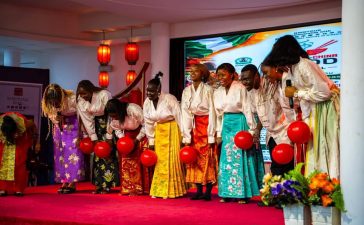
The Federal Government has reaffirmed its commitment to building a globally competitive hospitality and tourism ecosystem as stakeholders gathered in Abuja for the Sectoral Personnel, Practitioners, Operators and Institutions Registration, Induction, Fellowship Conferment, and inauguration of the Governing Boards of the Hospitality and Tourism Sector Skills Council of Nigeria (HTSSCN).
The event, held on Thursday, May 14, 2026, brought together government officials, regulators, private sector operators, development partners, and industry leaders in what was widely described as a landmark step toward restructuring Nigeria’s tourism and hospitality industry.
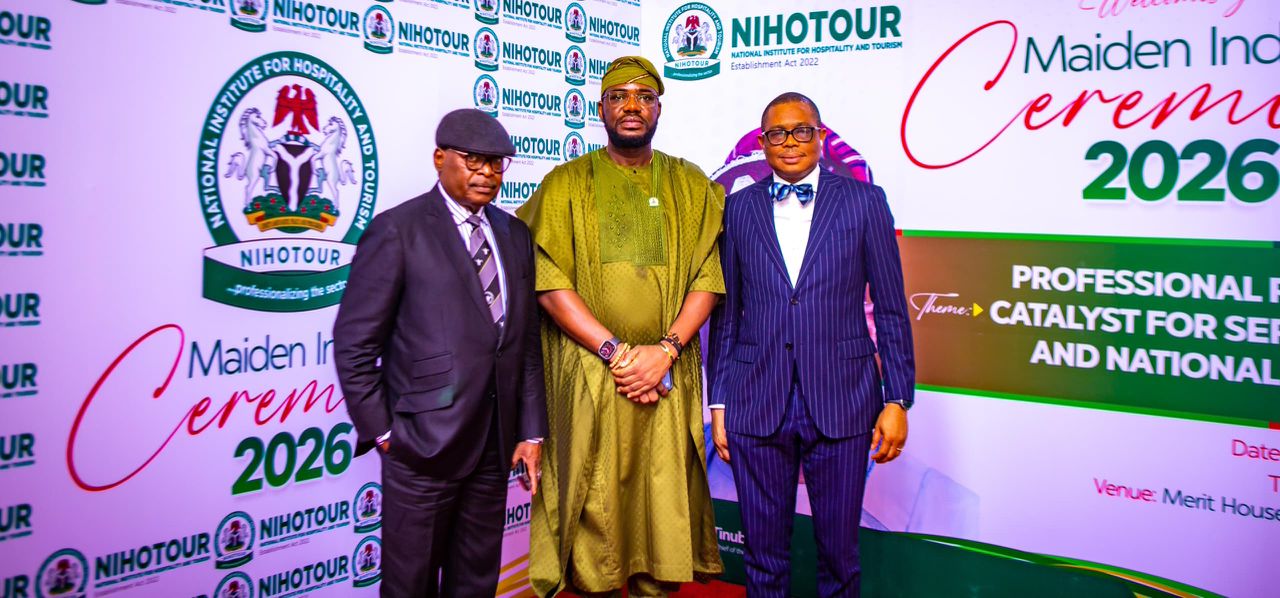
A key focus of the programme was the role of the National Institute for Hospitality and Tourism in strengthening professionalism, standards, certification, and regulatory coordination across the sector.
Honourable Minister of Art, Culture, Tourism and the Creative Economy, Hannatu Musa Musawa, said the initiative represents a transformational intervention designed to improve accountability, competence, and global competitiveness in the industry.
She noted that Nigeria’s cultural diversity, heritage assets, and creative talent present significant economic opportunities, but stressed that sustainable growth depends on professionalism, standardisation, and institutional coordination.
According to her, the NIHOTOUR Establishment Act has expanded the institute’s mandate beyond training to include regulatory and certification responsibilities, making it central to sector reform efforts.
Director General/CEO of NIHOTOUR, Abisoye Fagade, described the gathering as a turning point in the formalisation and strengthening of the tourism and hospitality ecosystem.
He said the induction of professionals and inauguration of the HTSSCN Governing Boards mark the beginning of a more structured and globally competitive industry.
“Regulation and standardisation are no longer optional; they are economic necessities if Nigeria truly intends to compete globally,” he stated.
The newly inaugurated Hospitality and Tourism Sector Skills Council of Nigeria (HTSSCN) is expected to drive competency standards, workforce development, curriculum enhancement, accreditation systems, and industry-wide professional certification frameworks.
Stakeholders at the event, including President of the Nigerian Bar Association, Afam Osigwe, stressed that strong regulation and enforceable standards are essential for attracting investment and improving service quality in the sector.
He noted that globally competitive industries are built on discipline, licensing systems, and accountability structures that enhance investor confidence.
Other agencies also expressed support for the reform agenda. Executive Secretary of the National Institute for Cultural Orientation, Biodun Ajiboye, highlighted the role of culture as a strategic economic asset for tourism development.
Director General of the Nigerian Tourism Development Authority, Olayiwola Awakan, commended NIHOTOUR’s efforts to improve professionalism, ethics, and capacity building across the sector.
Also speaking, Director General of the National Gallery of Art, Ahmed Bashir Sodangi, emphasized the importance of leveraging culture, creativity, and innovation to strengthen tourism growth and youth employment opportunities.
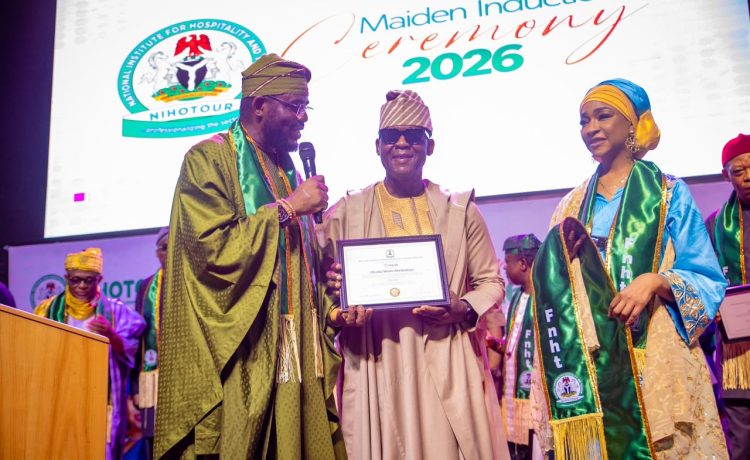
The event also featured the conferment of Fellowship honours on several distinguished Nigerians in recognition of their contributions to tourism development, public service, and cultural advancement.
Among the honourees were senior government officials, former ministers, industry leaders, and private sector stakeholders, reflecting the broad institutional support for the sector’s transformation agenda.
The ceremony concluded with renewed calls for collaboration between government institutions, private operators, and development partners to position Nigeria’s tourism and hospitality industry as a key driver of economic diversification and sustainable growth under the Renewed Hope Agenda.