The United States has criticised Zambia for failing to engage on a new health aid agreement worth more than $1 billion, saying repeated diplomatic outreach had been ignored even as an April 30 deadline passed without a deal.
Outgoing U.S. Ambassador to Zambia, Michael Gonzales, said the stalled memorandum of understanding (MOU) has left critical health funding operating on an ad hoc basis, without a clear implementation framework.
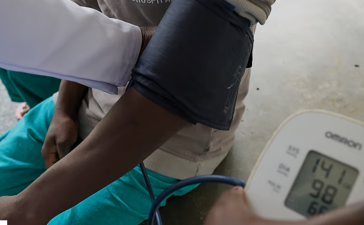
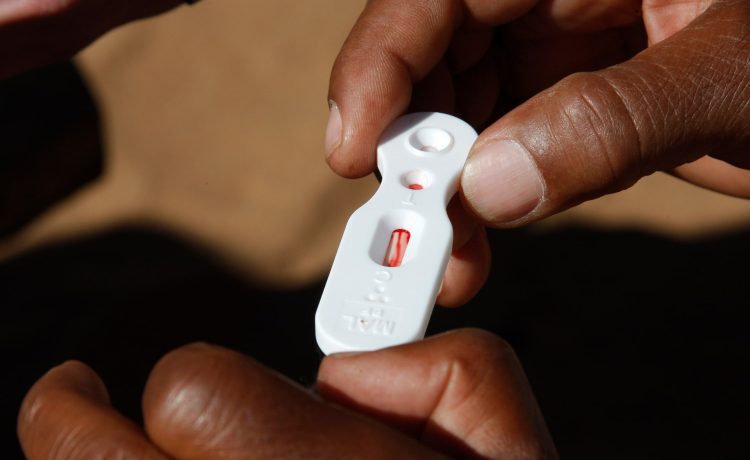
The funding is intended to support programmes covering HIV/AIDS, malaria, maternal and child health, and broader disease preparedness initiatives in the country.
“Instead of continuing to languish without engagement, the actual funding under our Health MOU should have started this month,” Gonzales said in remarks delivered as he prepared to leave his post.
Health programmes under the agreement are backed by the United States Agency for International Development, which has long supported Zambia’s health sector, particularly in HIV treatment and prevention.
Gonzales dismissed allegations that Washington was tying health aid to access to Zambia’s mineral resources, describing such claims as “disgusting and patently false.”
The controversy comes amid broader concerns raised by health advocates, who warned that provisions in the draft agreement allegedly included data-sharing requirements and potential links to mining access—claims the U.S. has strongly rejected.
Zambia’s presidential spokesperson, Clayson Hamasaka, said the government remains open to dialogue but insisted discussions must follow formal diplomatic channels.
“We appreciate the support we have received from the U.S. and other countries. If there are any concerns, we are open to dialogue but that should be done through laid down diplomatic channels,” he said.
According to reports, the agreement also requires approximately $340 million in co-financing from the Zambian government over the same period, adding further complexity to negotiations.
Gonzales said there had been “effectively zero substantive engagement” from Zambian officials since January, with meetings cancelled and communications left unanswered, stalling progress on the deal.
The agreement was originally expected to be signed in November but has since been delayed following revisions to draft proposals.
Despite the impasse, the U.S. envoy reaffirmed Washington’s continued commitment to supporting Zambia’s health system, including the provision of antiretroviral drugs and efforts to prevent mother-to-child transmission of HIV.
However, he warned that sustained large-scale aid would depend on governance improvements and meaningful reform.