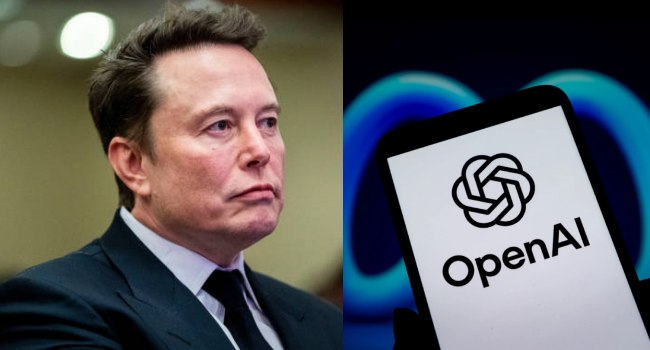
The high-profile lawsuit filed by billionaire Elon Musk against artificial intelligence company OpenAI is set to begin trial on Monday with jury selection, marking the start of a closely watched legal battle in the global tech industry.
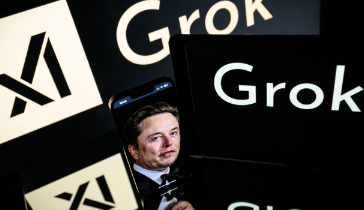
The case, being heard in a court across the bay from San Francisco, pits Musk — once a major early backer of OpenAI — against the company he now directly competes with through his own AI startup, xAI and its chatbot Grok.
At the heart of the dispute is whether OpenAI abandoned its original nonprofit mission to ensure artificial intelligence benefits humanity broadly, instead shifting toward a profit-driven model backed by major corporate investors.
Court documents show that Musk helped co-found OpenAI in 2015 alongside CEO Sam Altman, contributing millions of dollars to support a nonprofit research lab. The organisation initially pledged that its AI technologies would remain accessible and beneficial to the public.
However, as the cost of developing advanced AI systems skyrocketed, OpenAI later introduced a commercial arm and secured major funding from investors, including Microsoft, which has poured billions into the company’s development efforts.
Microsoft CEO Satya Nadella is expected to testify during the trial, underscoring the commercial stakes tied to the case.
Musk alleges that he was misled about OpenAI’s intentions, arguing that the organisation shifted away from its founding principles. He is seeking structural changes, including restoring OpenAI to a fully nonprofit model and removing key leadership figures, though he has said any financial damages awarded would be directed back to the nonprofit entity.
OpenAI, however, strongly rejects the claims, arguing in court filings and public statements that Musk’s lawsuit is driven by personal rivalry rather than principle.
“This case has always been about Elon generating more power and more money for what he wants,” the company said in a statement on X, describing the lawsuit as a “harassment campaign.”
The company also pointed out that Musk himself called for a pause on advanced AI development shortly after entering the AI race with his own venture, highlighting what it describes as inconsistency in his position.
OpenAI now operates under a hybrid structure in which its nonprofit foundation oversees a for-profit subsidiary, a model it argues is necessary to fund the enormous computing resources required for modern AI development.
The case will be overseen by Judge Yvonne Gonzalez Rogers, who is expected to rely in part on an advisory jury before making a final ruling on whether OpenAI violated commitments made to Musk.
Beyond legal arguments, the trial highlights a broader global debate over artificial intelligence: whether rapidly advancing systems like ChatGPT should remain tightly controlled for public benefit, or evolve under commercial frameworks driven by major tech investors.
The outcome could have far-reaching implications for how future AI companies are structured and governed.