The Federal Government of Nigeria has said ongoing economic and governance reforms under President Bola Ahmed Tinubu are strengthening global confidence in the country, opening new opportunities for trade, investment, and international cooperation.
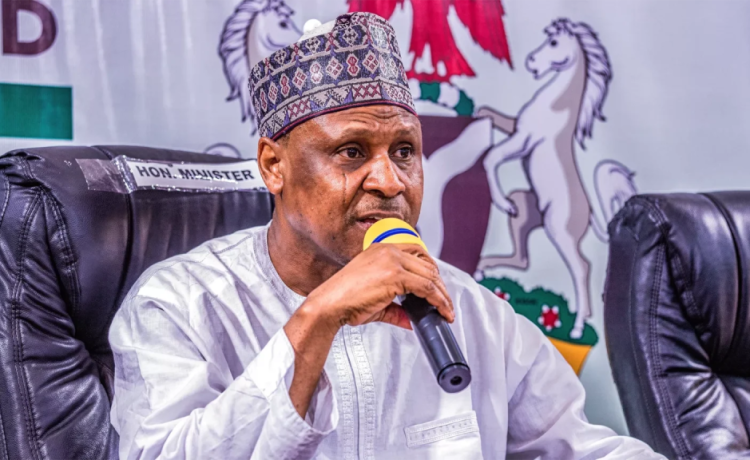
Minister of Information and National Orientation, Mohammed Idris, made the remarks on Sunday in London during a World Press Conference ahead of President Tinubu’s official visit to the United Kingdom at the invitation of King Charles III.
Idris described the visit as an opportunity to deepen collaboration between Nigeria and the UK across trade, investment, security, climate action, education, and technological innovation. He noted that Nigeria’s democracy continues to grow stronger after more than two decades of uninterrupted governance, supported by robust institutions, an active civil society, and a vibrant media landscape.
Highlighting reforms under Tinubu’s administration, Idris cited the removal of the petrol subsidy, harmonisation of multiple foreign exchange regimes, and presidential executive orders in the oil and gas sector. These measures, he said, have restored fiscal transparency, improved investment predictability, and attracted over $8 billion in oil and gas investments for two consecutive years.
“Each of these investment dollars represents jobs for Nigerians, technical skills development, revitalised communities, and stronger revenues for governments at all levels,” Idris said.
He also announced plans to launch a Customs Single Window, a digital platform to streamline trade documentation, and highlighted Nigeria’s exit from the Financial Action Task Force grey list after implementing reforms against money laundering and illicit financial flows.
Economic progress under the reforms is already evident, Idris said, noting that inflation has halved since 2023, the trade surplus is expanding, and the Central Bank’s Purchasing Managers’ Index has recorded fifteen consecutive months of growth. Nigeria’s external reserves have surpassed $50 billion, with part held in gold to diversify assets.
The minister detailed ongoing infrastructure projects, including the Lagos–Calabar Coastal Highway, Sokoto–Badagry Super Highway, and Ajaokuta–Kaduna–Kano Gas Pipeline, alongside power sector initiatives like the Presidential Power Initiative, Presidential Metering Initiative, and the newly created Grid Asset Management Company.
On security, Idris highlighted enhanced intelligence sharing, coordination among agencies, and Nigeria Navy-led efforts in establishing a Combined Maritime Task Force to secure the Gulf of Guinea.
Idris reaffirmed Nigeria’s commitment to religious freedom, peaceful coexistence, national unity, and its active role in regional and global affairs, from peacekeeping to climate change initiatives. He assured foreign investors of regulatory transparency, tax incentives, and full repatriation of profits.
“We deeply value our long-standing partnership with the United Kingdom and look forward to strengthening collaboration in the years ahead,” the minister said.