Sri Lanka has declared every Wednesday a holiday for public institutions to conserve fuel, amid concerns over possible shortages triggered by the ongoing conflict between the United States and Israel with Iran.
President Anura Kumara Dissanayake announced the measure during an emergency meeting with senior officials on Monday, stating, “We must prepare for the worst, but hope for the best.” The new four-day workweek will also extend to schools and universities, though essential state services such as health and immigration authorities will continue to operate.
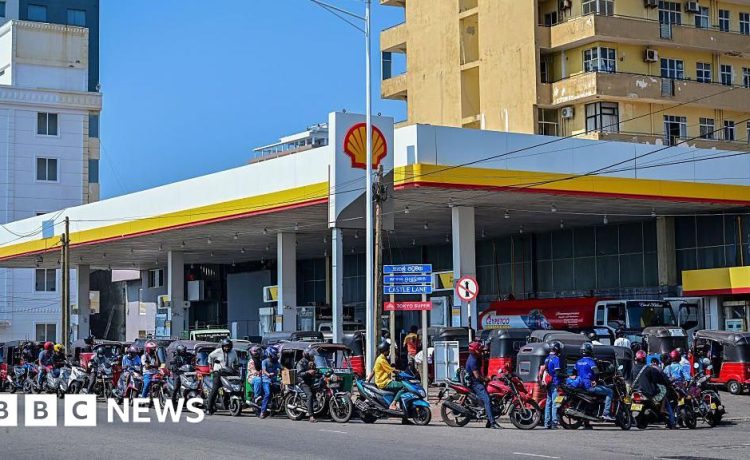
Authorities chose Wednesday as the off day to avoid three consecutive days of closures, and motorists are now required to register for a National Fuel Pass, which limits fuel purchases to 15 litres for private cars and five litres for motorcycles. Some citizens have expressed dissatisfaction with the quotas, which were first introduced in 2022 during Sri Lanka’s economic crisis.
Sri Lanka’s move reflects a broader regional response in Asia to the disruption of oil supplies through the Strait of Hormuz, a key route for Gulf oil exports. Countries such as Thailand, Myanmar, Bangladesh, the Philippines, and Vietnam have implemented various austerity measures, ranging from encouraging work-from-home policies and energy rationing to promoting alternative transportation and restricted vehicle use.
Oil prices have surged to around $100 per barrel, intensifying pressure on Asian nations that rely heavily on Gulf oil imports. Officials hope that measures such as the four-day workweek and fuel rationing will help mitigate the impact of rising energy costs on the nation’s economy.