Saudi Arabia’s Saudi Aramco has warned its global buyers that it may not know which port it will use for April exports, revealing a stark new reality: Iran, not the United States, holds the power to restore stability to the global energy market.
A letter sent this week to Saudi oil customers indicated that shipments could come from either the Red Sea or the Gulf, leaving buyers uncertain amid ongoing conflict. One regular Saudi oil buyer quipped, “I might as well call Iran to find out when this war ends so I can get my oil.”
The statement reflects growing concerns that, while the U.S. and Israel may declare the war over, Iran will ultimately determine the duration of the disruption. According to the International Energy Agency, the current conflict represents the most severe oil and gas supply disruptions ever experienced.
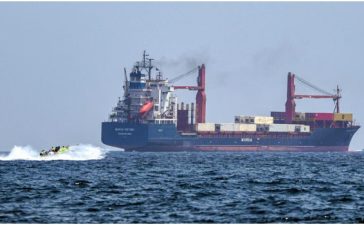
U.S. President Donald Trump has asserted that the U.S. is close to winning the conflict, but the timeframe remains uncertain. Iran has retaliated against attacks by firing drones and missiles at ships in the Strait of Hormuz, effectively halting roughly 20% of global oil and LNG supplies.
Middle Eastern and Western energy executives warn that even if combat ceases immediately, shipping traffic and production cannot resume without Tehran’s consent. Iran’s ability to deploy low-cost drones and maintain ongoing threats means the disruption could persist long after any declaration of victory.
Although the U.S. has proposed sending naval escorts to reopen the Strait of Hormuz, analysts note that such measures will not normalize shipping unless Iran halts attacks and threats. Neil Quilliam of Chatham House said, “If the U.S. and Israel declare victory on terms that Iran does not accept, Tehran will continue causing disruption with mines and drones.”
The conflict has already affected regional oil hubs. Drones targeted the UAE’s Fujairah oil port hours after U.S. strikes on Kharg Island, Iran’s primary oil export terminal. Analysts warn that proxy actors, such as Yemen’s Iran-aligned Houthis, could further threaten Saudi Arabia’s Red Sea port of Yanbu, the kingdom’s only alternative oil-export route.
Energy advisers say the crisis has exposed weaknesses in the Gulf’s energy infrastructure and supply security. Refineries in Saudi Arabia, the UAE, Bahrain, and Israel have been forced to shut down, sending oil and gas prices surging by as much as 60%. Even a rapid resolution would leave weeks of market disruption.
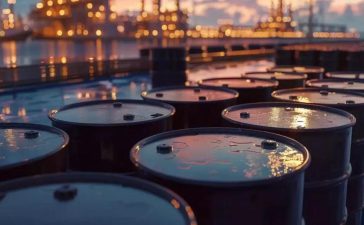
Production cuts across the Middle East are severe: Saudi Aramco halted output at its offshore Safaniya and Zuluf fields, reducing output by 20%; Iraq’s production fell by 70%; and the UAE’s output has halved. Total oil cuts in the region now stand at an estimated 7–10 million barrels per day, roughly 7–10% of global demand. Meanwhile, QatarEnergy has fully suspended LNG production, reducing 20% of global LNG supply and delaying deliveries until May.
Industry insiders emphasise that safety remains paramount. “It is simple—it is safety. We cannot risk lives,” one source said, underscoring the human and economic stakes behind the ongoing disruption.