Russian President Vladimir Putin has engaged in multiple telephone conversations with Iranian leadership this week, positioning Russia as a mediator in the escalating conflict between Iran, the US, and Israel.
The Kremlin described the calls as aimed at achieving “a swift diplomatic resolution” of the Iran conflict, citing coordination with leaders of Gulf states, Iran, and other nations. While Russia continues its war in Ukraine, it seeks to present itself as an influential peacemaker in the Middle East.
Moscow maintains a “Comprehensive Strategic Partnership” with Iran, but the partnership does not include a mutual defence treaty. Despite reaffirming unwavering support for Tehran, Russia’s involvement in the Iran conflict is framed as mediation rather than direct military alignment.
In parallel, Putin has maintained careful diplomatic language toward the US, particularly President Donald Trump, highlighting Russia’s interest in retaining good relations with Washington amid the ongoing war in Ukraine. Trump noted after a call on Monday that Putin “wants to be helpful,” though he added that resolving the Ukraine-Russia conflict would be even more beneficial.
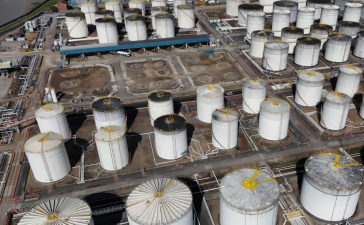
Analysts note that while Russia calls for de-escalation in Iran, the conflict offers economic and strategic advantages. Global oil prices have surged to nearly $120 per barrel, far above Russia’s budget baseline of $59 per barrel, boosting government revenues and funding for its war in Ukraine.
Furthermore, Trump has indicated potential waivers on US oil sanctions for some countries, which could provide Russia with additional financial gains. Ukraine’s President Volodymyr Zelensky has warned that such moves would be a “serious blow” to Kyiv.
The Russian media’s coverage has been mixed. Pro-Kremlin outlets like Komsomolskaya Pravda emphasize high oil prices as leverage for sanction relief, while tabloid papers such as Moskovsky Komsomolets have criticized Trump’s handling of the Iran conflict, labeling him the “peace president” who “has simply lost his mind.”
The situation underscores Moscow’s dual strategy: projecting itself as a diplomatic power in the Middle East while navigating the economic and strategic benefits arising from regional instability.