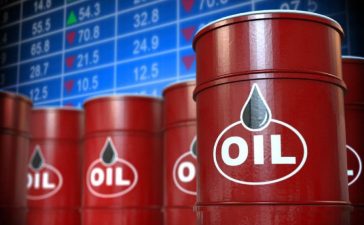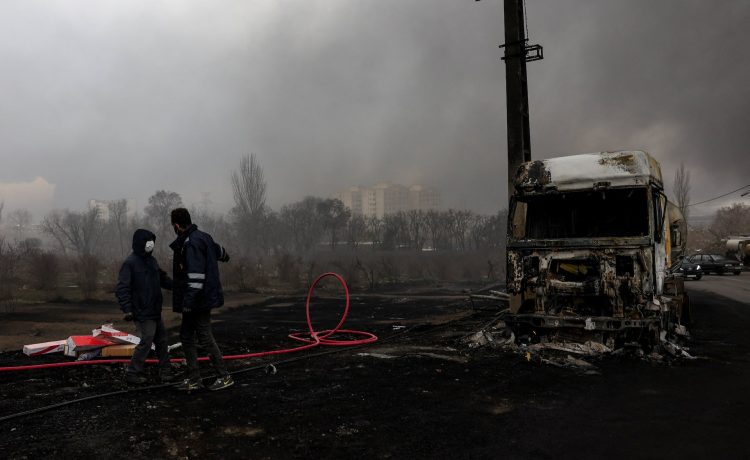
Governments across Asia are implementing urgent measures to protect economies and consumers after the escalating Iran war triggered a record surge in global oil prices on Monday. The crisis intensified after major oil producers cut output and Iran indicated that hardline leaders would continue to dominate.
In South Korea, President Lee Jae Myung announced plans to cap fuel prices for the first time in nearly three decades and urged citizens to avoid panic buying. Speaking at an emergency government meeting, Lee called the situation “a significant burden on our economy, which is highly dependent on global trade and energy imports from the Middle East.”
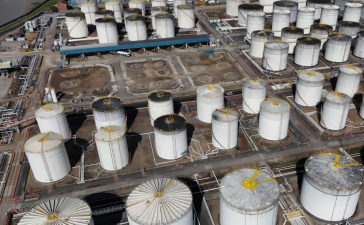
Meanwhile, in Japan, a senior parliamentarian confirmed that authorities had instructed a national oil reserve storage site to prepare for a potential crude release. Japan’s chief cabinet secretary, however, clarified that no official decision had yet been made. The country relies on the Middle East for approximately 95% of its oil and maintains reserves sufficient for 354 days of consumption.
Elsewhere in the region, Vietnam removed import tariffs on fuels to ease the financial burden, while Bangladesh temporarily closed universities to conserve electricity and fuel. In China, the government last week directed refiners to halt fuel exports and attempt to cancel shipments already committed abroad.
The measures reflect growing concerns about the economic impact of the Iran war, which threatens energy supply chains and inflation in energy-import-dependent Asian economies.