The UK Government has introduced an “emergency brake” on study visas for nationals of Afghanistan, Cameroon, Myanmar, and Sudan following a sharp rise in asylum claims from individuals who initially entered the country legally.
The move, announced by the UK Home Office, ends sponsored study visas for all four countries and suspends skilled worker visas for Afghan nationals. The changes will be implemented through an amendment to the Immigration Rules on 5 March and will come into force on 26 March.
The Home Office said the decision follows a surge in asylum claims from those who had entered the UK on student or work visas before applying for asylum. In total, 133,760 people have claimed asylum after entering legally over the past five years, accounting for nearly 40 per cent of all claims.
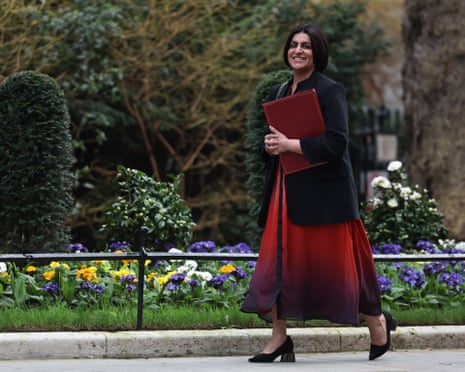
Home Secretary Shabana Mahmood noted that asylum claims by students from the four affected countries increased by more than 470 per cent between 2021 and 2025. Applications from Myanmar rose sixteen-fold, while claims from Cameroon and Sudan increased by more than 330 per cent. Among Afghans, the proportion of asylum claims relative to study visas issued reached 95 per cent.
Many of the asylum seekers entering through legal channels are currently housed at public expense. Mahmood highlighted that nearly 16,000 nationals from the four countries are supported by taxpayers, including over 6,000 accommodated in hotels. “Asylum support currently costs more than £4 billion annually. The government says it has reduced the bill by £1 billion since coming to office,” she added.
A Home Office spokesperson emphasized that the clampdown is aimed at preventing visa abuse while maintaining support for those genuinely in need.
The announcement coincides with broader asylum reforms, which reduce refugee status for adults and accompanying children from five years to 30 months, effective from 2 March. Refugees from countries deemed safe will be expected to return home, while unaccompanied children will continue to receive five-year leave until a long-term policy is developed.
The reforms, modelled on Denmark’s system, aim to reduce pull factors driving dangerous small boat crossings and limit long-term dependency on public support.