The United States has imposed sanctions on two commanders of armed groups accused of fueling the ongoing conflict in eastern Democratic Republic of Congo (DRC).
The sanctions were announced on Tuesday by the U.S. Treasury Department amid continued fighting in the region despite diplomatic efforts to restore peace.
According to the Treasury Department, the measures target John Imani Nzenze, an M23 commander and the group’s chief of intelligence, and Gustave Kubwayo, a commander of the Democratic Forces for the Liberation of Rwanda (FDLR) who leads an intelligence and special operations unit.
The U.S. government said the sanctions are part of efforts to support a peaceful resolution to the conflict and address the worsening humanitarian situation in eastern Congo.
“President Trump has been clear that there is an urgent need to resolve the horrific conflict in eastern Democratic Republic of the Congo, and the United States is committed to peace and prosperity in the region,” U.S. Treasury Secretary Scott Bessent said in a statement.
“Persistent violence by armed groups is exacerbating an already dire humanitarian crisis and presents a threat to U.S. interests in the region. Today’s sanctions support a peaceful resolution and end to the bloodshed,” he added.
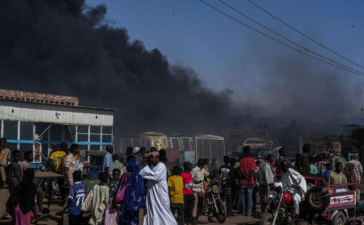
Eastern Congo has remained a hotspot for violence as clashes continue between the M23 rebel group and forces aligned against it, including the FDLR.
The United Nations has previously stated that Rwanda supports the M23 rebels, an allegation the Rwandan government has consistently denied.
The FDLR is a Hutu militia group with roots linked to the aftermath of the 1994 Rwandan genocide.
The latest sanctions come as Washington intensifies efforts to broker peace between Rwanda and the Democratic Republic of Congo.
In December, Rwanda and Congo signed an agreement in Washington as part of a broader initiative backed by the United States to reduce tensions and encourage regional stability.
The peace effort is also aimed at creating conditions that could attract billions of dollars in foreign investment to the region.
However, the security situation has remained fragile.
Just days after the agreement was signed, M23 rebels entered a strategic city in eastern Congo near the border with Burundi, marking one of the most significant escalations in the conflict in recent months.
The rebels later withdrew from the area following diplomatic pressure from the United States.
Neither Nzenze nor representatives of the governments of Rwanda and the Democratic Republic of Congo immediately responded to requests for comment following the announcement of the sanctions.
The conflict in eastern Congo has displaced millions of people and contributed to one of Africa’s most severe humanitarian crises.
Analysts say continued fighting threatens regional stability and could undermine ongoing efforts to secure lasting peace in the Great Lakes region.
The United States has repeatedly called for dialogue among all parties and stressed the need for a sustainable political solution to end decades of instability in eastern Congo.