Airlines are bracing for a sharp rise in operating costs driven by surging jet fuel prices linked to the ongoing conflict in the Middle East, but industry executives say their greater concern lies with taxes and regulations they consider overly restrictive.
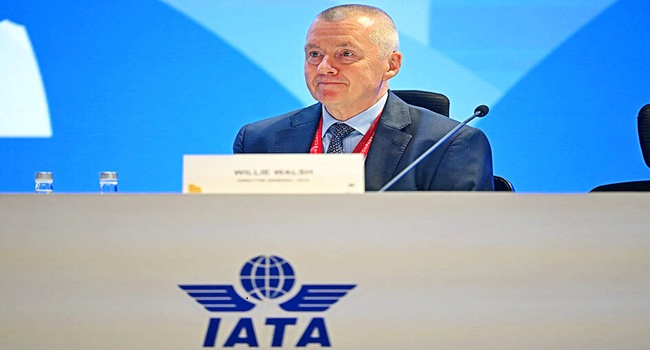
Speaking at the International Air Transport Association (IATA) annual conference in Rio de Janeiro, which concludes on Monday, IATA director general Willie Walsh said airlines expect a significant increase in fuel expenses this year.
“We expect average jet fuel prices to be 70 percent higher year-on-year. That will add $100 billion to our collective fuel bill this year,” Walsh told delegates.
Despite the scale of the increase, discussions at the conference suggested the industry remains relatively composed about the geopolitical shock, with limited alarm over the war’s immediate operational impact.
During a roundtable discussion moderated by CNN journalist Richard Quest, airline executives appeared more focused on regulatory pressures than on fuel volatility.
Executives noted that while fuel prices are a recurring source of uncertainty, airlines routinely plan for multiple scenarios at the start of each year.
Guliz Ozturk, chief executive of Turkey’s Pegasus Airlines, said unpredictability has become a constant feature of the aviation sector, with actual developments often diverging from initial forecasts.
IATA chief economist Marie Owens Thomsen also highlighted how previous years had been marked by similarly severe concerns, including trade tensions and global disruptions, many of which ultimately proved less damaging than feared.
This year’s conference featured comparatively little discussion of US political developments, despite ongoing global economic uncertainty.
Instead, attention shifted toward what IATA described as burdensome taxation and regulatory frameworks, particularly in Europe.
The association, which represents 370 airlines worldwide, criticised what it sees as increasing taxes imposed on air travel, often justified as environmental measures, as well as stricter passenger compensation rules.
European Union policies were repeatedly singled out, with IATA leadership describing some measures as excessive and damaging to airline profitability.
Walsh also criticised EU regulatory approaches related to sustainable aviation fuel mandates, arguing that supply shortages and compliance costs are placing additional pressure on the industry.
Even when asked about worst-case scenarios involving prolonged disruption in the Gulf region, executives downplayed immediate concerns over fuel shortages.
IATA research director Eleanor Budds said such outcomes were considered unlikely within the industry’s baseline projections.
“In our base case we don’t have shortages,” she said, while acknowledging that extended conflict could still influence pricing volatility.
Despite the rising cost environment, airline leaders maintained that regulatory and fiscal pressures remain the most significant long-term challenge to profitability in the global aviation sector.