Donald Trump has expressed optimism that the war involving Iran could end soon as Tehran considers a U.S.-backed peace proposal aimed at formally ending the conflict.
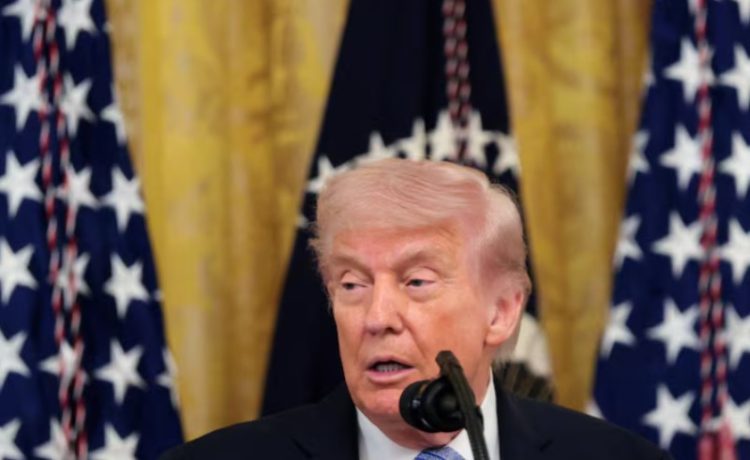
Speaking to reporters at the Oval Office on Wednesday, Trump said discussions over the past 24 hours had been productive and suggested that an agreement could be reached quickly.
“They want to make a deal. We’ve had very good talks over the last 24 hours, and it’s very possible that we’ll make a deal,” Trump said, adding later that “it’ll be over quickly.”
The conflict, which began on February 28, has continued despite repeated diplomatic efforts to secure a ceasefire.
Sources familiar with the mediation process said negotiators are close to finalising a one-page memorandum that would formally end the war.
According to the sources, the proposed agreement would pave the way for broader discussions on reopening the Strait of Hormuz, easing U.S. sanctions on Iran, and setting limits on Iran’s nuclear programme.
However, major disagreements remain unresolved, particularly over U.S. demands that Iran suspend its nuclear activities and restore unrestricted shipping access through the Strait of Hormuz.
The strategic waterway previously handled about one-fifth of global oil and gas shipments before the outbreak of the conflict.
An Iranian foreign ministry spokesperson, quoted by ISNA news agency, confirmed that Tehran is reviewing the proposal and would communicate its response in due course.
Meanwhile, Ebrahim Rezaei, spokesperson for Iran’s parliamentary foreign policy and national security committee, criticised the proposal, describing it as “more of an American wish-list than a reality.”
A senior Pakistani official involved in the mediation effort told Reuters that negotiators remain hopeful of reaching an agreement despite lingering differences between both sides.
“Our priority is that they announce a permanent end to war and the rest of the issues could be thrashed out once they get back to direct talks,” the official said anonymously.
Iran’s Parliament Speaker, Mohammad Baqer Qalibaf, also appeared sceptical about reports suggesting a breakthrough in negotiations.
In a social media post written in English, Qalibaf said “Operation Trust Me Bro failed,” dismissing reports that the two sides were close to a final deal.
He argued that the reports reflected what he described as U.S. attempts to manage perceptions following difficulties in reopening the Strait of Hormuz.
The latest developments come amid growing international concern over the economic and geopolitical consequences of the prolonged conflict, particularly its impact on global energy markets and maritime trade routes.