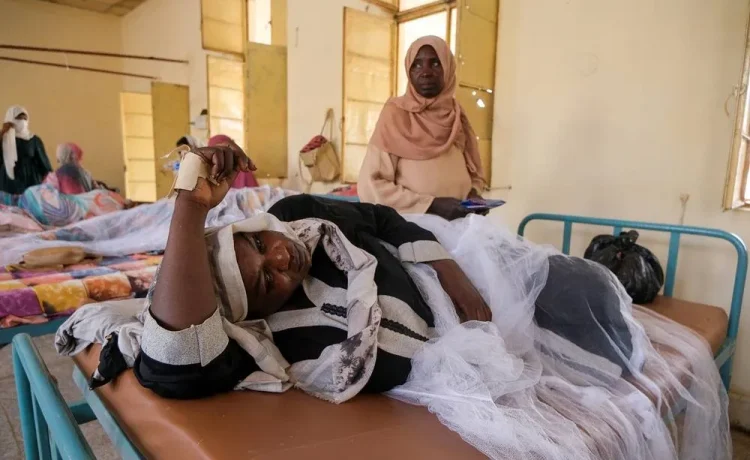
Medical supplies to clinics responding to the humanitarian crisis in Sudan could run out within two weeks unless urgent action is taken to reroute shipments disrupted by the ongoing Middle East conflict, according to Save the Children.
The expanding war involving the United States and Iran has severely affected global supply chains, leading to airspace closures and a halt in shipping through the vital Strait of Hormuz.
The charity revealed that about $600,000 worth of essential medicines are currently stranded in ports in Dubai, leaving aid groups scrambling to find alternative delivery routes.
According to Save the Children’s global director of supply chain, Willem Zuidema, around 90 government-run clinics in Sudan depend entirely on these supplies. The facilities serve approximately 400,000 patients and have no local alternatives for critical medicines, vaccines, and nutritional treatments.
“We have a couple of weeks to do this rerouting before the country’s stocks run out. The clock is ticking,” Zuidema warned, adding that once existing buffer stocks are depleted, patients will be left without access to basic healthcare.
The delayed supplies include antibiotics, antimalarials, pain relief drugs, and paediatric injectable medicines. These are typically shipped through Port Sudan before being transported to conflict-affected regions such as Darfur.
The crisis is compounded by Sudan’s ongoing conflict, now in its third year, which has displaced millions and created one of the world’s largest humanitarian emergencies.
The World Health Organization has also raised concerns over worsening medical shortages. Its regional director, Hanan Balkhy, said the situation is becoming increasingly critical in several provinces.
Meanwhile, the United Nations humanitarian chief, Tom Fletcher, recently warned that the Middle East conflict is placing additional strain on global aid systems, with sub-Saharan Africa and Gaza among the hardest hit.
Rising transport costs are further complicating relief efforts. Shipping companies are rerouting vessels around the Cape of Good Hope, increasing delivery times by weeks and driving up container freight costs by as much as 30 percent.
Save the Children said its Sudan budget has already been cut by $4 million this year, leaving it with $98 million to manage growing needs.
Zuidema cautioned that the combination of rising demand and shrinking resources presents a dangerous outlook. “Demand will go up, but the means for us to respond will go down. That’s extremely worrying,” he said.