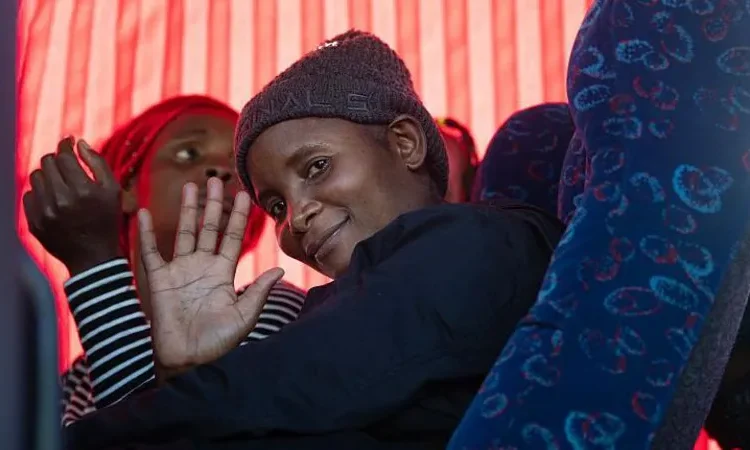
A group of 150 Malawians repatriated from South Africa amid growing concerns over xenophobia are expected to arrive in Malawi by road on Monday, according to Malawian authorities.
The repatriation follows a wave of unrest in South Africa’s Western Cape Province, where reports emerged of door-to-door intimidation targeting foreign nationals, alongside the deaths of two Mozambicans in Mossel Bay.
The Malawian citizens were among several foreign nationals who reportedly sought refuge in temporary camps in the coastal town, according to a statement from authorities in Lilongwe.
The development comes amid a broader regional response, with Ghana, Nigeria, and Zimbabwe also organising repatriation flights and transport for their citizens following rising tensions linked to anti-migrant sentiment in parts of South Africa.
Anti-migrant groups in South Africa have demanded the removal of undocumented foreigners, setting a 30 June deadline, further heightening fears among migrant communities.
In a national address on Sunday, South African President Cyril Ramaphosa announced new measures aimed at curbing illegal migration while also urging citizens not to engage in violence or lawlessness.
“There is no space for xenophobia, racism, sexism, Afrophobia or any other forms of intolerance in our country,” Ramaphosa said, while warning against taking the law into one’s own hands.
Meanwhile, Zimbabwe confirmed the arrival of 74 of its citizens who were transported home after fleeing violence in Mossel Bay, with some families reportedly escaping due to safety concerns.
Ghana has also carried out repatriation efforts, including a flight from Johannesburg for nearly 300 citizens, while about 680 others arrived in Accra over the weekend.
Tensions have also sparked diplomatic exchanges, with South Africa’s Foreign Minister Ronald Lamola disputing claims of widespread xenophobic violence and accusing Ghanaian officials of spreading misinformation.
He rejected reports of multiple migrant deaths and said the government had no evidence supporting claims that foreign nationals were being hospitalised due to attacks.
In response, Ghana’s Foreign Minister Samuel Okudzeto Ablakwa reiterated concerns about the safety of Ghanaians in South Africa and called for African Union intervention to investigate reported incidents.
South Africa has since indicated plans to speed up deportations of undocumented migrants and is exploring cost-sharing arrangements with countries receiving repatriated citizens.
In Nigeria, evacuation plans for citizens affected by the tensions have been adjusted, with a scheduled flight postponed due to logistical issues.
Authorities say more than 500 Nigerians have been screened and cleared for return, with President Bola Tinubu approving five evacuation flights as part of the country’s broader response.
Officials across affected countries say screening and registration processes are ongoing as regional governments continue to coordinate responses to the unfolding situation.