Mali’s Prime Minister, Abdoulaye Maïga, has called on citizens to remain calm following coordinated nationwide attacks by jihadist militants and separatist rebels that left multiple people injured and targeted key strategic locations across the country.
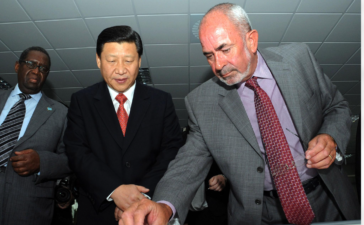
Maïga made the appeal while visiting victims receiving treatment after the assaults, which the government says were aimed at destabilising the state and undermining national unity.
“We condemn these cowardly and barbaric terrorist attacks,” he said, adding that the government’s priority is restoring order and supporting those affected.
Authorities said at least 16 people were injured in the attacks, though they have not released an official death toll.
The offensive, carried out on Saturday, involved fighters linked to Jama’at Nusrat al-Islam wal-Muslimin working in coordination with Tuareg separatist rebels, marking what analysts describe as a significant escalation in the region’s security crisis.
Targets included the airport in the capital Bamako, the nearby garrison town of Kati, and several northern and central cities such as Kidal and Sevaré. The scale and coordination of the strikes have raised concerns among security experts about the growing operational capacity of armed groups in the Sahel.
The government described the attacks as an attempt to spread fear and weaken state authority, but Maïga insisted such efforts would fail.
“The terrorists’ goal is to undermine national unity and instil fear in us, but it will never work,” he said.
The developments come amid continued instability in northern Mali, where control of strategic towns has shifted repeatedly over the years between government forces and armed groups.
On Monday, Russia’s Africa Corps confirmed the withdrawal of its fighters from the northern town of Kidal, which is now under the control of Tuareg separatists. The town has long been a focal point of conflict in Mali’s insurgency, dating back more than a decade.
The recent offensive also underscores the evolving alliance between Islamist militants and separatist forces, a combination analysts warn could further complicate efforts to stabilise the Sahel region, which already faces overlapping insurgencies in neighbouring countries.
Despite the scale of the attacks, officials say life is gradually returning to normal in parts of the country as security operations continue.