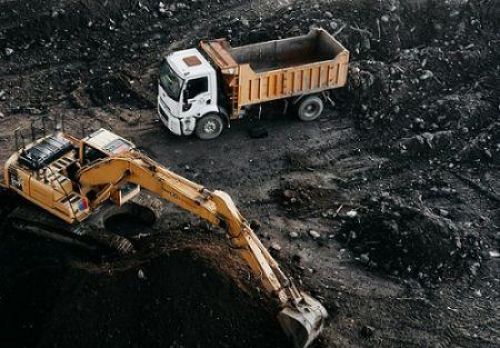
Senegal is set to tighten oversight of its mining sector, with Prime Minister Ousmane Sonko announcing the planned revocation of 71 mining and quarry licenses during a press briefing last week.
The move aligns Senegal with a broader West African trend, as countries such as Guinea, Mali, and Niger have recently implemented similar measures to assert greater control over natural resources.
Of particular attention is Industries Chimiques du Sénégal (ICS), which operates multiple phosphate deposits. Authorities allege that ICS has failed to meet tax and royalty obligations, potentially costing the state approximately CFA1,075 billion ($1.88 billion) in revenue since 2014, when Indonesia’s Indorama acquired the company.
The planned revocations cover 14 gold permits, one mineral sands permit, and additional licenses tied to mining and quarry operations. The affected companies reportedly failed to meet investment commitments and regulatory requirements, though identities of all companies have not been disclosed. It remains unclear whether the revocations apply to exploration or operational permits.
Sonko indicated that future licenses may be awarded to “much more serious” companies, reflecting the government’s goal of safeguarding national economic interests while promoting more balanced partnerships between the state and investors.
The reforms are part of a wider fiscal strategy to mobilize public revenue amid mounting pressure, as Senegal’s effective public debt could reach 132% of GDP, according to the International Monetary Fund. Beyond mining, authorities are also reviewing contracts in hydrocarbons and infrastructure.
The extractive sector remains a critical component of the economy, accounting for 31.89% of Senegal’s exports and 4.7% of GDP in 2023, according to the Extractive Industries Transparency Initiative (EITI).
While these reforms could strengthen Senegal’s control over its resources, regional experiences highlight potential risks. In Guinea, the revocation of certain permits prompted arbitration claims by Axis Minerals seeking $28.9 billion in damages. Senegal hosts several foreign mining companies, including France’s Eramet and gold producers Endeavour Mining, Resolute Mining, and Fortuna Mining, all of which could be affected by the regulatory overhaul.
The government plans to introduce a new mining code to replace the 2016 framework, with the full impact of these measures expected to emerge in the coming months.