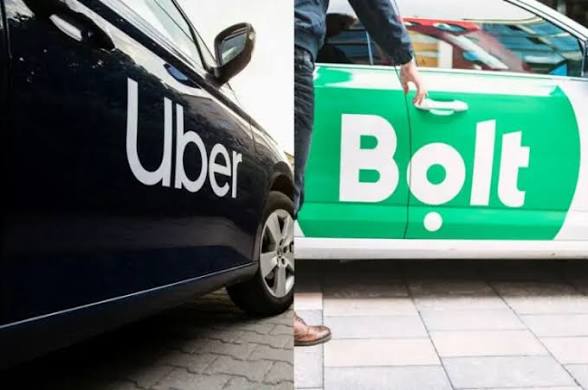
The Government of Kenya is planning a major shake-up in the country’s ride-hailing sector by introducing a national taxi pricing model that could require companies like Uber and Bolt to follow state-approved fares.
The policy is designed to stabilise prices in the digital taxi market, which has experienced aggressive fare wars and frequent fluctuations for passengers. If implemented, it would standardise both what riders pay and what drivers earn per trip, aiming to end the “race to the bottom” that many drivers say makes it difficult to cover fuel, maintenance, and vehicle loan costs.
In practice, the plan could push ride-hailing firms to adjust their algorithms to align with government-approved rates. This could lead to higher fares for passengers but offer drivers a more predictable income structure.
The digital taxi industry in Kenya has grown rapidly in recent years, but its pricing remains largely dictated by platform algorithms and promotional discounts rather than a unified regulatory framework. Drivers have staged protests in the past, citing that platform pricing models squeeze their earnings while costs for fuel and vehicle upkeep continue to rise.
Authorities view the policy as part of a broader push to bring order to the ride-hailing sector and reduce conflicts between drivers and app companies. With millions of urban commuters relying on services like Uber and Bolt, the proposed changes could reshape how digital taxis operate in one of Africa’s largest ride-hailing markets.