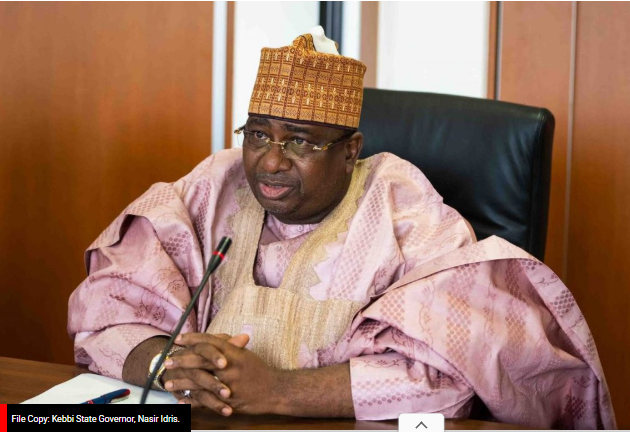
The Kebbi State Government has reiterated its commitment to eliminating malaria. The pledge comes as new data show a sharp decline in malaria prevalence across the state.
The State Commissioner for Health, Hon. Yakubu Samaila Augie, gave the assurance during the End-of-Project Results Sharing Workshop on the “Enhanced Project.”
The workshop was organised by the Kebbi State Ministry of Health in partnership with the Malaria Consortium. It was held at the Unity Event Centre in Birnin Kebbi.
Malaria Vaccine Included in Routine Immunisation
Augie said the administration of Governor Nasir Idris has prioritised malaria prevention and control.
He described malaria as one of the leading causes of illness and death among children under five in the state.
“Our commitment as a government is unwavering. We will continue to provide the enabling environment and work with credible partners to ensure malaria is no longer a public health threat in Kebbi State,” he said.
He also recalled that the state approved the inclusion of the malaria vaccine in its routine immunisation schedule. According to him, all eligible children now have access to the vaccine at designated health facilities free of charge.
Significant Drop in Malaria Prevalence
Speaking at the event, the West and Central Africa Programme Director of the Malaria Consortium, Dr. Kolawole Maxwell, commended Kebbi State for what he described as remarkable progress.
“When we commenced this project, malaria prevalence stood at 13.6 per cent. Today, we are seeing a reduction to 1.7 per cent. That is a significant achievement,” Maxwell said.
He added that household usage of insecticide-treated nets increased to 97.8 per cent during the intervention period.
The Enhanced Project targeted children aged one to 59 months through Seasonal Malaria Chemoprevention (SMC) and vaccination.
Lessons from the Project
The State Programme Manager for Malaria Control, Malam Nasiru Umar Zagga, highlighted lessons learned during implementation.
He emphasised the importance of data-driven planning, grassroots mobilisation and capacity building for health workers.
Public Health Specialist with the Malaria Consortium, Dr. Mrs. Oluwa Funmilayo Ibikunle, said integrating vaccination with existing malaria prevention strategies strengthened the overall impact.
Broad Stakeholder Participation
The workshop attracted key stakeholders from government agencies and development partners.
Among them were representatives from UNICEF, Catholic Relief Services, Clinton Health Access Initiative, Médecins Sans Frontières, Jhpiego and PATH, among others.
Traditional rulers serving as health focal persons in their emirates also attended.
In a symbolic gesture, four mothers from Koko, Birnin Kebbi and Sakaba Local Government Areas received awards for completing their children’s immunisation schedules despite travelling long distances.
Sustaining the Gains
Nigeria remains one of the countries with the highest malaria burden globally.
However, Kebbi’s recent progress demonstrates that strong political will, effective coordination and community engagement can produce results.
Officials stressed that sustaining these gains will require continued collaboration between government, partners and communities.
The one-day workshop ended with a renewed commitment to intensify efforts toward achieving a malaria-free future in Kebbi State.