The Australia has announced plans to increase its defence spending to 3.0 per cent of GDP by 2033, marking a significant expansion of its military budget amid escalating global conflicts.
The government said the decision comes as armed tensions rise worldwide and follows sustained pressure from the administration of US President Donald Trump for allies to increase defence spending relative to economic output.
Defence Minister Richard Marles, in a prepared speech seen by AFP, said international norms that once limited the use of military force are continuing to erode.
“More countries are engaged in conflict today than at any time since the end of World War II, and this is occurring across every region of the world,” he said.
Previously, Australia’s defence spending was projected to reach 2.3 per cent of GDP by 2033. The new target therefore represents a substantial upward revision of long-term military expenditure.
Officials from the Department of Defence said the updated plan would result in an additional Aus$53 billion in spending over the next decade compared to the 2024 defence strategy. In the short term, spending is expected to rise by about Aus$14 billion over four years.
To meet the new target, Australia has also adjusted its calculation method to align with NATO standards, which include additional components such as military pensions.
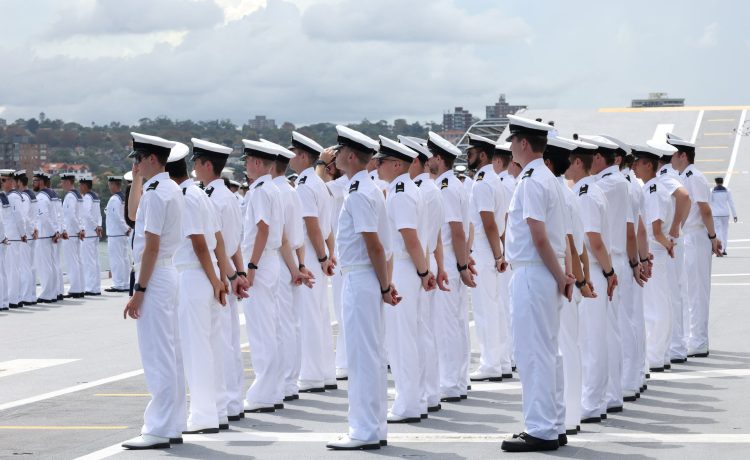
A key focus of the expanded budget will be accelerating military infrastructure projects, including the construction of a major shipbuilding facility in Western Australia designed to support nuclear-powered submarines under the AUKUS defence agreement involving the United States and the United Kingdom.
Under the partnership, the United States and the United Kingdom are expected to transfer nuclear-powered submarine capability to Australia’s navy, significantly enhancing its long-term maritime defence capacity.