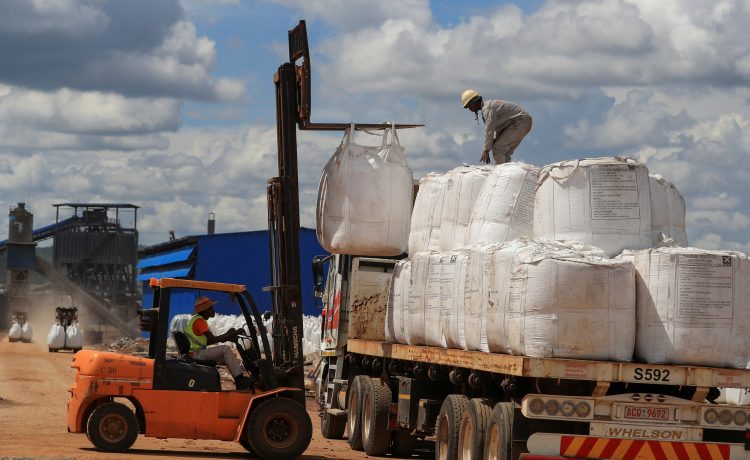
Zimbabwe will introduce lithium concentrate export quotas and require mining companies to commit to local processing timelines as conditions to resume mineral exports, the country’s mines ministry has informed producers.
Africa’s top lithium producer suspended exports of lithium concentrates and other unprocessed minerals on February 26, citing alleged malpractices and leakages in the sector.
In a letter dated April 2 to the Chamber of Mines Zimbabwe, the ministry outlined key requirements, including the mandatory publication of mines’ annual financial statements, and compliance with labour, safety, and environmental standards.
The letter stated that “approved lithium concentrate export quotas will be communicated to each producer” and requested “written commitments on dedicated timelines to set up lithium sulphate plants” before January 1, 2027. A 10% export tax will remain on lithium concentrate shipments until a January 2027 ban on concentrate exports comes into effect.
Chinese companies, including Zhejiang Huayou Cobalt Chengxin Lithium Group and Tsingshan Holding Group, dominate Zimbabwe’s lithium sector, consolidating China’s influence over the global battery metal supply chain.
In 2025, Zimbabwe exported 1.128 million metric tons of lithium-bearing spodumene concentrate to China, accounting for roughly 15% of China’s annual lithium concentrate imports.
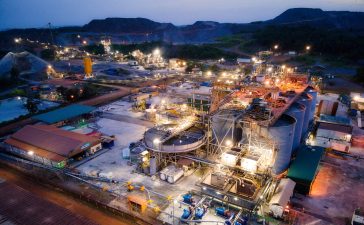
Some Chinese firms have already invested in local processing: Huayou built a $400 million plant to convert concentrates into lithium sulphate, which can be refined further into battery-grade products like lithium hydroxide or lithium carbonate. Sinomine and Yahua have also announced plans for similar processing facilities at their Zimbabwean operations.
The government’s measures aim to increase domestic value addition in the lithium sector, secure compliance, and ensure Zimbabwe benefits more from its mineral wealth.