Zimbabwe has officially ended negotiations on a bilateral health memorandum of understanding (MoU) with the United States, according to a statement issued Wednesday, Feb. 25, by the U.S. Embassy in Harare.
The proposed agreement would have provided $367 million over five years to support Zimbabwe’s priority health programs, including H.I.V./AIDS treatment and prevention, tuberculosis, malaria, maternal and child health, and epidemic preparedness.
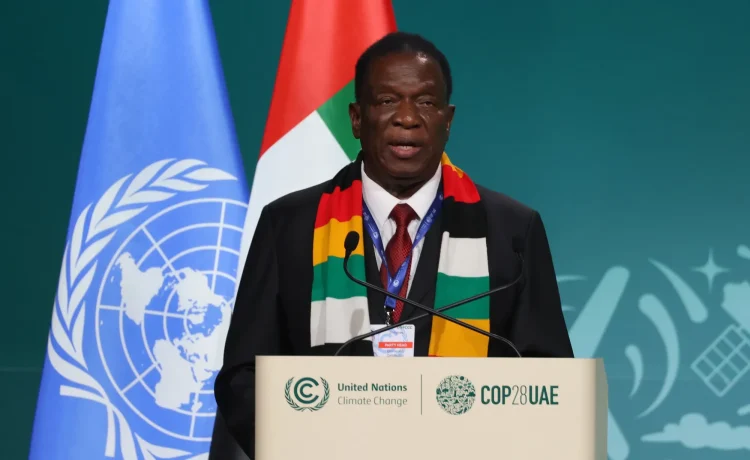
President Emmerson Mnangagwa reportedly described the draft MoU as “clearly unbalanced,” claiming it compromised Zimbabwe’s sovereignty and independence. In response, the U.S. confirmed it would respect Harare’s decision. U.S. Ambassador Pamela Tremont stated, “We will now turn to the difficult and regrettable task of winding down our health assistance in Zimbabwe,” noting that 1.2 million people currently receiving U.S.-supported H.I.V. treatment could be affected.
Washington has signed similar health agreements with 16 African countries, including Rwanda and Côte d’Ivoire, totaling more than $18.3 billion in new health financing. Comparable accords in Kenya faced legal challenges over data privacy concerns, with the High Court temporarily suspending implementation in December 2025.
The decision comes amid shifts in U.S. foreign aid policy under the “America First” global health strategy, which has seen reductions in traditional aid channels, including the closure of the U.S. Agency for International Development.