A new World Health Organisation (WHO) analysis reveals that up to 37% of new cancer cases worldwide could be prevented through changes in behavior, stronger public health policies, and targeted interventions. The findings were released to coincide with World Cancer Day on February 4, 2026.
The report, drawing on a Nature Medicine study covering 185 countries and 36 cancer types, found that modifiable risk factors — including tobacco use, infections, and lifestyle exposures — accounted for the majority of preventable cases.
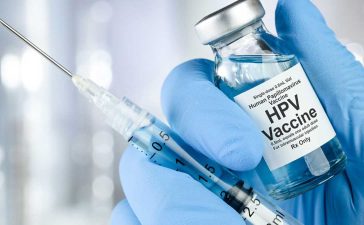
Tobacco remains the leading preventable cause, responsible for around 15% of global cases, while infections such as human papillomavirus (HPV) and Helicobacter pylori account for about 10%. Cervical cancer, overwhelmingly caused by HPV, is highlighted as a disease largely preventable with available vaccines, while H. pylori-linked cancers can be mitigated through improved sanitation and medical care.
WHO officials stressed the urgent need for public health interventions. Dr Maria Neira, WHO Director of Environment, Climate Change, and Health, said: “A large portion of cancers — particularly those related to tobacco, infections and unhealthy environments — are not inevitable. They are preventable.”
The analysis also highlighted regional and sex-based differences: nearly 45% of male cancers were linked to modifiable factors, and preventable cancer burdens varied across East Asia, Latin America, North Africa, and West Asia, reflecting differences in lifestyle, environmental exposure, and access to preventive care.
WHO is calling for governments to scale up proven interventions, including tobacco taxation, public smoking bans, vaccination programs, and environmental health policies. Dr Neira emphasized, “Investing in prevention not only saves lives but reduces long-term health costs and strengthens resilient health systems.”
The study underscores that, while cancer remains a major global health challenge, strategic prevention could avert nearly four in every ten new cases worldwide.