The United States operation that led to the seizure of Venezuelan President Nicolás Maduro has sent shockwaves through global political and financial circles, triggering urgent diplomatic consultations and raising fears of a new, more confrontational phase in international relations.
The dramatic move, reported by Bloomberg, stunned allies and adversaries alike, not only for its audacity but for what it signals about Washington’s readiness to act unilaterally against sitting heads of state. From Latin America to Europe and Asia, governments are reassessing their exposure to US power and recalibrating their diplomatic strategies.
A Defining Moment in US Power Projection
The raid marks one of the most aggressive assertions of American force in decades, blurring the lines between law enforcement, military action and regime change. By directly targeting a foreign leader long accused by Washington of criminal activity and democratic abuses, the US has crossed a threshold many believed would remain untouched.
Officials familiar with the matter say the operation was designed to be swift and decisive, limiting prolonged conflict while sending a clear message: sovereignty would not shield leaders deemed to be acting against US interests or international norms.
Global Leaders React With Alarm and Caution
The reaction from world capitals has been swift and uneasy. While some US allies stopped short of outright condemnation, many expressed deep concern over the precedent the action sets. At the United Nations, calls intensified for emergency consultations, with diplomats warning that the move could weaken already fragile international legal frameworks.
In Latin America, the raid has revived painful memories of past US interventions, fueling protests and nationalist rhetoric even among governments critical of Maduro’s rule. Several regional leaders warned that the action risks destabilising an already volatile region.
Markets and Power Dynamics Shift
Financial markets also responded quickly. Venezuelan assets swung sharply as investors speculated on potential political transition and economic reform, while broader emerging market sentiment turned cautious. Analysts say the operation injects a new layer of geopolitical risk, particularly for countries with strained relations with Washington.
Beyond markets, the move has altered global power calculations. For leaders facing sanctions, indictments or diplomatic isolation, the message is stark: distance, status and international outrage may no longer be sufficient deterrents.
“Trump Might Come for You Next”
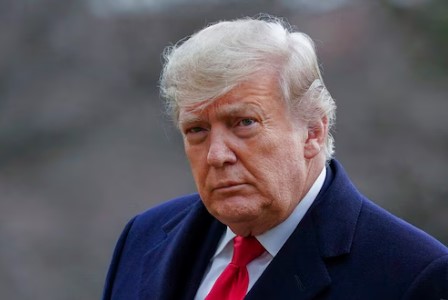
The operation has been widely interpreted as emblematic of President Donald Trump’s hard-edged approach to global affairs. Unlike previous administrations that relied heavily on sanctions and diplomacy, this action suggests a willingness to escalate rapidly and dramatically.
For many leaders, the unspoken warning is clear. As one senior diplomat put it, “This changes the rules. Everyone is now asking whether they could be next.”
A World on Alert
As legal battles, diplomatic fallout and political uncertainty unfold, the long-term consequences of the Maduro raid remain unclear. What is certain is that the event has reshaped perceptions of US power and unpredictability, leaving governments worldwide on heightened alert.
Whether the move ultimately strengthens global security or accelerates instability will depend on how Washington manages the aftermath—and how the rest of the world responds to this bold and controversial assertion of force.