A United Nations investigative body has warned that South Sudan risks “a return to full-scale war” unless urgent measures are taken to end entrenched impunity and widespread abuses amid rising violence.
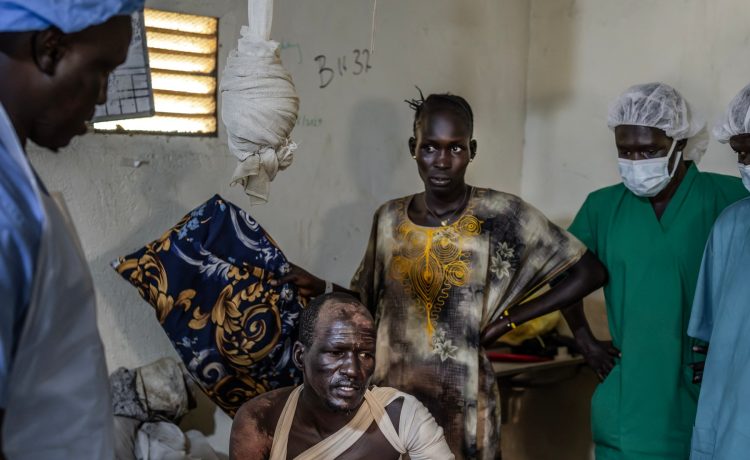
The warning comes from the UN Commission on Human Rights in South Sudan (CHRSS), which released its report on Friday at the Human Rights Council session in Geneva. The report found civilians enduring killings, systematic sexual violence, arbitrary detention, forced displacement, and deprivation in a deepening humanitarian crisis in one of the world’s poorest nations.
“Escalating atrocity risks and the collapse of political safeguards make urgent preventive action imperative,” the report said, urging regional and international actors to engage through diplomatic pressure, sanctions, and enforcement of the UN arms embargo until tangible improvements in human rights and accountability are achieved.
The CHRSS report, based on a year of investigations and testimonies, blamed political and military elites for undermining the 2018 peace agreement. Arrests and prosecutions of opposition leaders, including the removal of First Vice President Riek Machar on charges of murder, treason, and crimes against humanity, have fueled political uncertainty and renewed armed clashes unseen for a decade.
Civil war first erupted in South Sudan in 2013, two years after its independence, when President Salva Kiir dismissed Machar, accusing him of plotting a coup. Ethnic tensions between the Dinka and Nuer communities have been a recurring driver of conflict, now exacerbated by a “dangerous shift in tactics” that includes air strikes on civilian-populated areas.
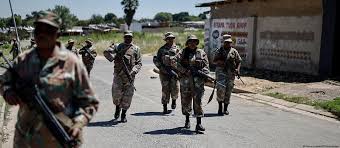
The report also raised concerns over the deployment of Ugandan forces, a guarantor of the 2018 peace deal, which has materially strengthened government forces and heightened the risk of violations of the UN arms embargo. Joint aerial operations have reportedly targeted opposition-affiliated areas, predominantly affecting ethnic Nuer communities.
“Preventing further mass atrocity crimes, institutional collapse, and the destruction of South Sudan’s fragile transition requires urgent coordinated national, regional, and international re-engagement,” the report concluded.