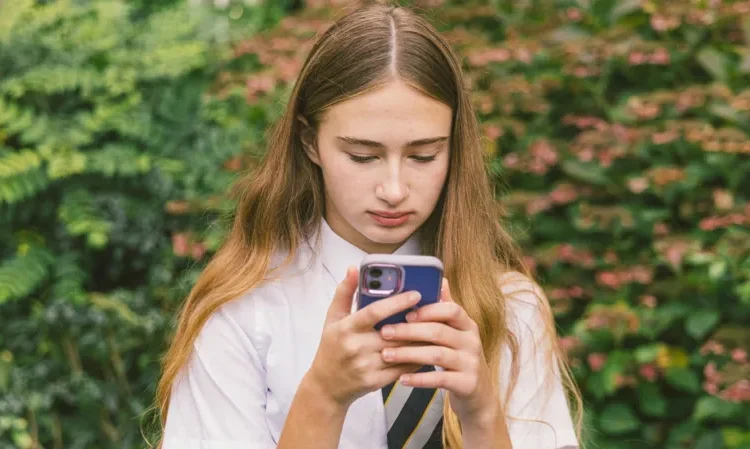
The UK government is trialling social media bans, digital curfews, and time limits on apps in the homes of 300 teenagers to better understand the impact of reduced screen time on young people.
The pilot will divide participants into four groups: one will experience a complete app ban, two will face limited restrictions (either a 60-minute daily cap or overnight blocking from 21:00 to 07:00), and one will serve as a control group. Teens and their families will be interviewed before and after the trial to assess effects on sleep, schoolwork, family life, and any workarounds used to bypass restrictions.
Technology Secretary Liz Kendall said the aim is to test different approaches “in the real world” and gather evidence to inform potential legislation. The consultation on banning social media for under-16s will continue until May 26.
Children’s charities and campaigners have expressed cautious support. Rani Govender of the NSPCC emphasized that tech companies must embed safety into platforms and AI tools so children are only exposed to age-appropriate content. Andy Burrows, chief executive of the Molly Rose Foundation, said the pilots would provide “welcome insights into the practicality and feasibility of further interventions.”
The pilot will complement a larger independent study funded by the Wellcome Trust, led by the Bradford Institute for Health Research and psychologist Prof Amy Orben. This study will involve 4,000 students aged 12 to 15 and aim to assess the impact of social media restrictions on wellbeing, including sleep, anxiety, social interactions, school attendance, and bullying.
Prof Orben said the research seeks to address the lack of quality data on how social media affects children and what difference limiting access might make, calling it “really important research” for the UK.