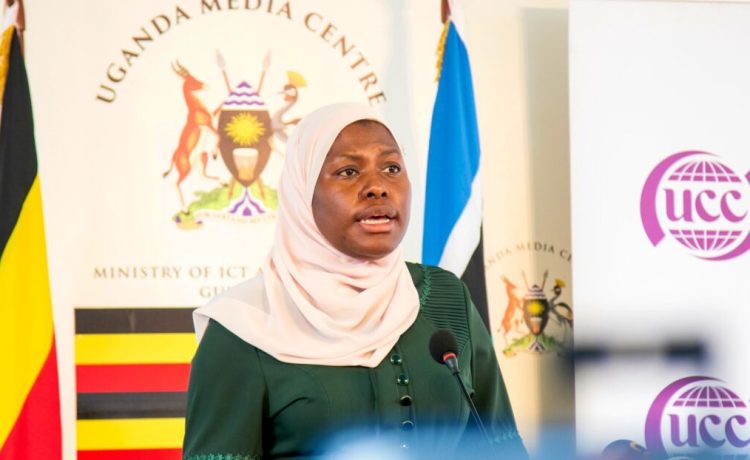
Uganda’s government has confirmed that no decision has been made to restrict Internet access during the upcoming January 15, 2026 elections. Aminah Zawedde, Permanent Secretary at the Ministry of Information and Communication Technologies (ICT), denounced misleading claims suggesting otherwise, saying such reports could unnecessarily fuel tensions.
Speaking to the media on Monday, January 5, Zawedde highlighted the importance of digital tools in civic engagement, noting that information technologies enable voters to access reliable, timely information and support the smooth conduct of the vote. The government emphasized that it prefers a regulatory framework over restrictive measures, working in coordination with the Uganda Communications Commission (UCC).
This strategy involves enhanced dialogue with media organizations and digital platforms to promote professional and ethical coverage of election-related news. Authorities, however, reiterated that certain content remains prohibited, including live broadcasts of acts of violence or illegal processions.
Zawedde also warned against the spread of false information, which she said could “weaken social cohesion” and “undermine trust in the electoral process.” The government reminded Internet service providers, including satellite operators, that compliance with existing regulatory frameworks is mandatory, and unlicensed services constitute offenses subject to sanctions.
The clarification follows lessons from previous elections. In January 2021, Uganda experienced a near-total Internet shutdown for several days around the presidential election, prompting criticism from business groups and digital rights organizations.
With the vote approaching, observers will closely monitor the government’s commitment to ensuring an accessible yet regulated network, balancing freedom of information with public safety. As of the end of 2025, Uganda had 11.4 million Internet users, representing approximately 22% penetration, according to DataReportal.