The United States government has temporarily eased economic sanctions on Russia to allow Russian oil currently stranded at sea to be sold to India.
The U.S. Treasury Department announced the decision on Thursday through its Office of Foreign Assets Control, which issued a special Russia-related licence authorizing the delivery and sale of Russian-origin crude oil and petroleum products to India.
According to the Treasury Department, the licence covers oil loaded on vessels as of March 5, 2026. The transactions are permitted until the end of the day on April 3, 2026.
The waiver allows sales involving vessels that may have been affected by different sanctions regimes. Officials say the move is intended to ensure stability in the global energy market.
U.S. Treasury Secretary Scott Bessent said the temporary measure was introduced to maintain the steady flow of oil supplies worldwide.
He explained that the decision would not significantly benefit the Russian government because it only applies to oil shipments that were already stranded at sea.
“This deliberately short-term measure will not provide significant financial benefit to the Russian government as it only authorizes transactions involving oil already stranded at sea,” Bessent said in a post on X.
He also stated that the move would help reduce pressure on the global energy market, which he said had been affected by Iran’s actions in the oil sector.
However, India had earlier indicated plans to stop purchasing Russian oil as part of a trade agreement with the United States.
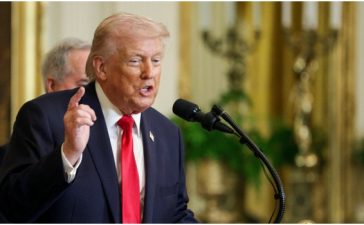
In November last year, U.S. President Donald Trump imposed sanctions on major Russian oil companies, including Lukoil and Rosneft. The move was part of broader efforts to pressure Russia over its ongoing war with Ukraine.
The sanctions forced several major buyers of Russian oil to look for alternative suppliers.
Meanwhile, Russia is believed to have assembled a fleet of ageing oil tankers with unclear ownership structures. Analysts say the vessels are used to transport crude oil while attempting to bypass sanctions imposed by the United States, the European Union and the G7 nations following Moscow’s full-scale invasion of Ukraine in 2022.