The United States and Iran convened indirect talks in Geneva on Tuesday aimed at addressing their protracted nuclear dispute, though observers noted little indication of compromise as Washington positions a large military presence in the region.
U.S. envoys Steve Witkoff and Jared Kushner participated in the negotiations, which are mediated by Oman. Iran was represented by its Foreign Minister, Abbas Araqchi.
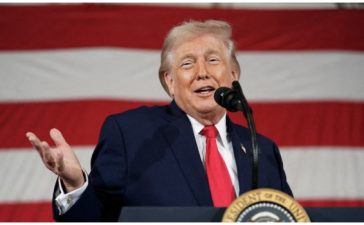
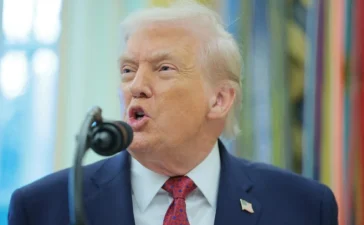
U.S. President Donald Trump said he would be involved indirectly and expressed confidence that Tehran wanted a deal. “I don’t think they want the consequences of not making a deal,” he told reporters aboard Air Force One on Monday, citing prior military actions including B-2 bomber strikes.
Tehran launched a military drill on Monday in the Strait of Hormuz, a crucial international waterway, signaling readiness amid the high-stakes negotiations. Washington has also deployed what Trump described as a “massive naval armada” to the region.
The U.S. and Israel continue to suspect Iran of pursuing nuclear weapons capabilities, while Iran maintains its programme is peaceful. Tehran has enriched uranium to levels near weapons-grade, but insists it will not halt enrichment entirely or discuss its missile programme, although it is willing to negotiate curbs on its nuclear activities in exchange for sanctions relief.
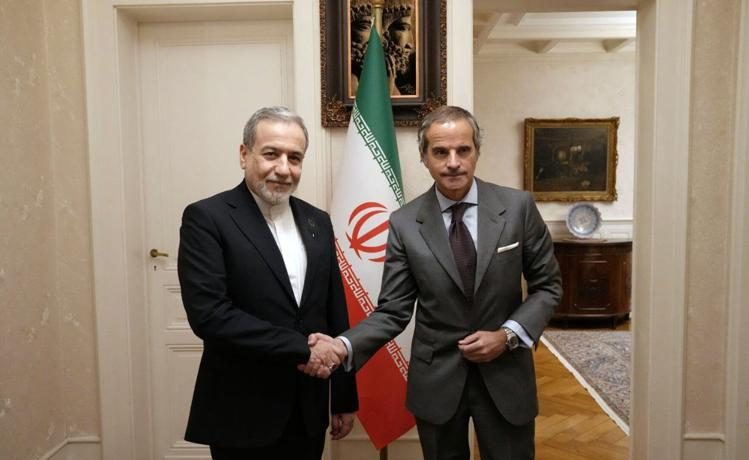
U.S. Secretary of State Marco Rubio acknowledged the difficulty of reaching an agreement but said the U.S. remains willing to try. Meanwhile, Araqchi met with Rafael Grossi, head of the International Atomic Energy Agency, to discuss technical cooperation ahead of the talks.
In a separate development on Tuesday afternoon, Witkoff and Kushner were scheduled to join three-way discussions with Russia and Ukraine, as the U.S. attempts to broker a resolution to Moscow’s four-year-old invasion of Ukraine.