The U.S. Maritime Administration has advised U.S.-flagged ships to remain “as far as possible” from Iranian waters while navigating the strategic Strait of Hormuz, amid escalating tensions between Washington and Tehran.
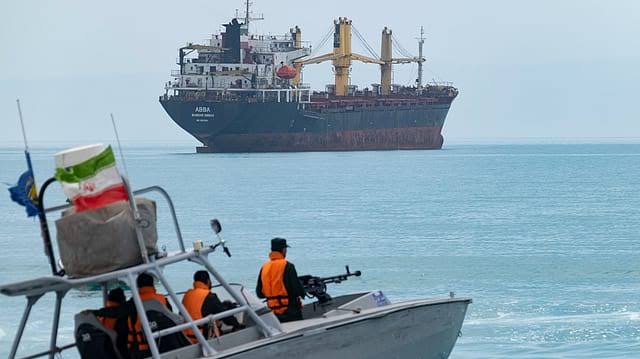
In a notice issued Monday, the agency under the Department of Transportation instructed ship captains to decline permission for Iranian forces to board their vessels. Boarding attempts—including moves to force commercial ships into Iranian waters using small boats and helicopters—have occurred as recently as February 3.
Should Iranian forces board a U.S.-flagged commercial vessel, crews were told not to “forcibly resist the boarding party,” though the guidance clarified that this does not imply consent to the boarding. The advisory recommended that eastbound ships stay close to the Omani side of the waterway.
The notice follows indirect U.S.–Iran talks in Oman on Friday, the first since U.S. bombers struck Iranian nuclear sites during a 12-day war last June. Iranian President Masoud Pezeshkian described the discussions as “a step forward,” while Foreign Minister Abbas Araghchi called them “a good start.”
President Donald Trump said the talks were “very good” and that more sessions were planned, warning that failure to reach an agreement would carry “very steep” consequences for Iran. Israeli Prime Minister Benjamin Netanyahu is scheduled to meet Trump in Washington on Wednesday to discuss the talks, with Israel pressing for the dismantling of Iran’s nuclear program, missile restrictions, and an end to support for regional militant groups.
The Strait of Hormuz, which connects the Persian Gulf to the Arabian Sea, is a critical oil transit route. In 2025, about 13 million barrels per day passed through the strait, representing nearly a third of global seaborne crude flows. Any disruption could significantly impact global energy markets.