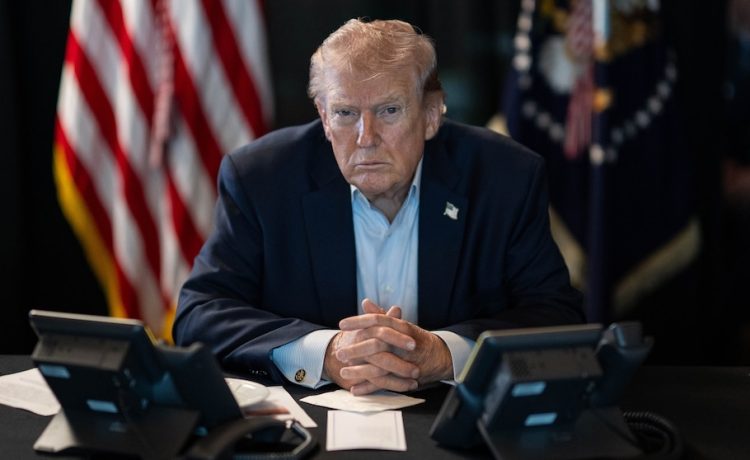
Donald Trump has offered a series of contradictory statements on the ongoing US-Israeli military campaign against Iran, leaving both global markets and domestic audiences uncertain about the war’s timeline and objectives. Monday marked the 10th day of the operation, which has already rattled allies and driven oil prices to unprecedented levels.
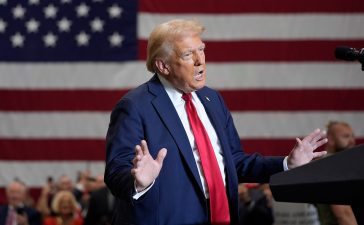
After a turbulent morning of falling stock markets and surging crude prices, Trump engaged in a flurry of telephone interviews with reporters, attempting to calm investor fears. Yet, his comments were inconsistent. To the New York Post, he said, “I have a plan for everything. You’ll be very happy.” To CBS News, he described the war as “very complete, pretty much,” but later qualified that the operation could continue depending on circumstances.
Trump’s statements temporarily stabilized markets: the price of oil fell from $120 a barrel to below $90, while US stock indexes rebounded. Despite this, he later walked back the comments, emphasizing that the US might “go further” in the campaign to prevent Iran from developing weaponry capable of threatening the US, Israel, or its allies.
The president also suggested that regime change in Iran could eventually be necessary, following the death of Ayatollah Ali Khamenei and the succession of his son. Defence Secretary Pete Hegseth outlined plans for a next phase using heavier ordnance, including 500- to 2,000-pound bombs on military targets, highlighting the ongoing escalation.
Domestically, the conflict has intensified concerns about rising petrol prices. The average US gasoline price has reached $3.48 per gallon, up 48 cents from the previous week. Economic indicators show that the country is already facing challenges: February saw a loss of 92,000 jobs, unemployment rose to 4.4%, and labour force participation fell to 62%, the lowest since December 2021.
Voters in northern Georgia, preparing for a special congressional election, expressed concern over the economic fallout. Independent voter Bob Stinnett said, “I have supported Trump, but not for this,” citing fears of a recession due to rising energy costs. Others, like retired nurse Angie, noted that higher gas prices threaten household budgets during precarious financial times.
Trump’s focus on foreign policy interventions, including the campaigns in Iran and Venezuela, has led to criticism that he is prioritizing legacy-defining actions abroad over domestic economic concerns. Analysts warn that the combination of rising energy costs, public unease, and midterm elections could pose political risks for the administration.
As the US-Israeli military campaign continues, the ultimate cost—both economically and politically—remains uncertain. While Trump has touted “tremendous success” in degrading Iran’s military capabilities, questions persist about the operation’s objectives, duration, and the long-term impact on American voters and global markets.