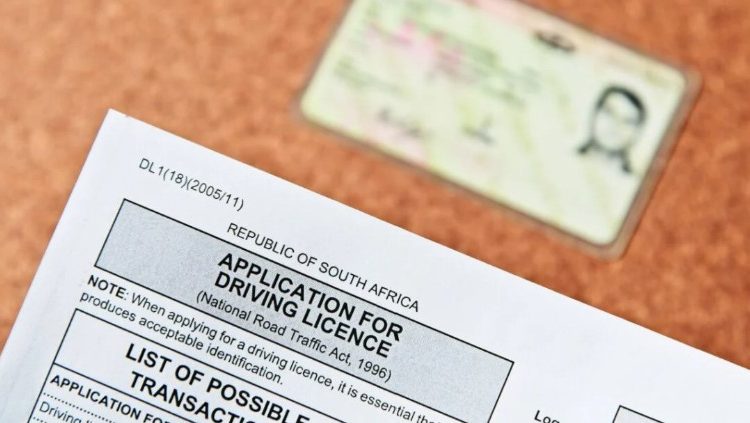
South Africa is preparing to make two major changes to the way driving licences function. The government plans to extend the validity of licence cards from five years to eight years and to introduce a digital driving permit that will work alongside the traditional physical card.
Officials say both reforms are already in motion, even as final regulatory and financial checks continue behind the scenes. For millions of drivers, the changes promise fewer trips to renewal centres, reduced paperwork, and a system better suited to modern life.
Responding to Public Frustration
The decision to move to an eight-year licence cycle follows years of public complaints about the burden of frequent renewals. Long queues, administrative delays, and costs have made the process one of the most criticised citizen services.
Transport authorities describe the extension as a direct response to these concerns. By nearly doubling the renewal period, the government hopes to ease pressure on licensing offices and to lower the overall cost of compliance for motorists.
Digital Licence Built at Record Speed
The digital permit represents the more revolutionary part of the overhaul. A prototype was developed in just three months by a small technical team working within the Presidency.
Communications Minister Solly Malatsi showcased the system in November during the Global Digital Public Infrastructure Summit. In a live demonstration from a smartphone, officials showed how drivers could renew licences online and store a secure digital permit through the MyMzansi platform.
The audience watched as the minister accessed the app, retrieved licence details, and illustrated how verification could occur without presenting the physical card.
MyMzansi and the Transformation Roadmap
MyMzansi is positioned at the heart of South Africa’s Digital Transformation Roadmap, launched in May 2025. The initiative seeks to create a single digital identity for citizens and to allow seamless data sharing across government departments.
The roadmap also supports digital payments, entrepreneurship tools, and a zero-rated access policy. This means citizens will be able to reach public services on the platform even without mobile data, an important feature in a country where connectivity costs remain high.
Driving licences are expected to be one of the first everyday documents to benefit from this unified system.
Financial Impact Still Under Review
Despite enthusiasm, the Department of Transport is proceeding cautiously. The Driving Licence Card Account, which funds card production, currently relies on renewal fees for a significant share of its revenue.
Officials say they are analysing how the longer validity period could affect this income and whether new funding models will be required.
The eight-year extension is nevertheless expected to be approved “soon,” according to government sources.
Bigger Changes in Identity Services
The Department of Home Affairs is simultaneously advancing plans to digitise national identity services and to phase out the long-standing green ID book.
This signals that the driving licence reforms may be only the beginning of a much broader shift toward digital credentials covering passports, IDs, and vehicle documentation.
For South Africans, the future of mobility is increasingly likely to live in the pocket — inside a smartphone.