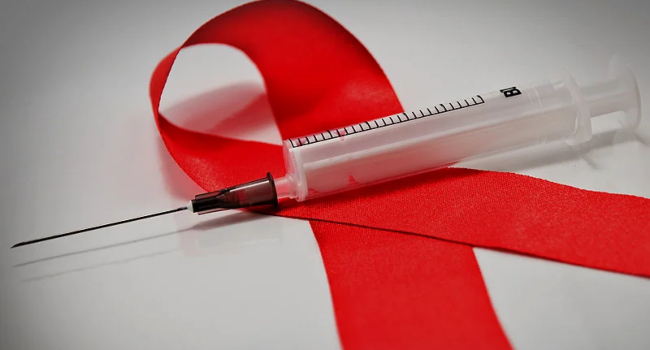
South Africa, Eswatini, and Zambia on Monday began administering a revolutionary new HIV-prevention injection, marking the first public rollouts of the drug in Africa — the region with the world’s highest HIV burden.
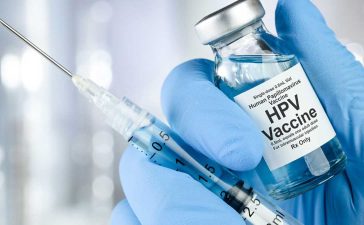
The twice-yearly injectable, lenacapavir, has demonstrated more than 99.9 percent effectiveness in reducing HIV transmission, making it functionally comparable to a powerful vaccine. Its introduction signals a significant advancement in global HIV prevention strategies.
In South Africa, where one in five adults lives with HIV, a Wits University research unit supervised the rollout under a Unitaid-funded initiative.
According to Unitaid, “The first individuals have begun using lenacapavir for HIV prevention in South Africa … making it among the first real-world use of the 6-monthly injectable in low- and middle-income countries.”
Although Unitaid did not disclose the number of initial recipients, the drug currently costs $28,000 per person annually in the United States. A broader national rollout is expected in 2026.
Neighbouring Zambia and Eswatini, which each received 1,000 doses through a U.S.-supported programme, were scheduled to launch their rollouts during World AIDS Day events on Monday.
Under the programme, manufacturer Gilead Sciences committed to supplying lenacapavir at no profit to two million people across high HIV-burden countries over the next three years. Critics argue this is insufficient to meet actual needs and stress that current market prices place the drug far beyond the reach of most people.
According to 2024 UNAIDS data, eastern and southern Africa account for 52 percent of the world’s 40.8 million people living with HIV.
More affordable generic versions of lenacapavir are expected by 2027, priced at roughly $40 per year in over 100 countries, following agreements facilitated by Unitaid and the Gates Foundation with Indian pharmaceutical manufacturers.
While PrEP has been available for over a decade, its daily pill regimen has limited uptake globally. Advocates say the long-acting injectable could dramatically change HIV prevention outcomes across Africa.