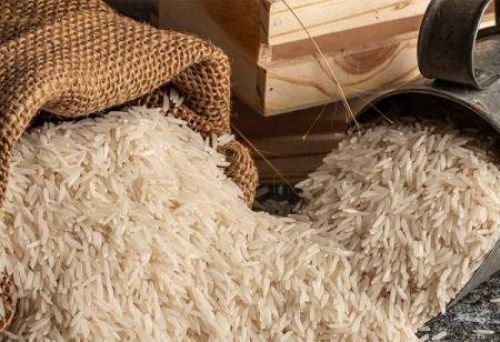
The Senegalese Ministry of Industry and Commerce has introduced a CFA50 per kilogram subsidy for locally produced rice, effective from March 5, aiming to enhance the integration of domestic rice into commercial distribution channels.
Rice remains the most widely consumed cereal in Senegal, but rising dependence on imports has limited the reach of local production. The initiative is designed to improve the competitiveness of domestic rice against imported varieties, according to the Market Regulation Agency (ARM).
“As the guarantor of the balance between supply and demand, the ARM sees this subsidy as an essential lever for stabilizing consumer prices while ensuring fair remuneration for domestic producers,” the regulator said.
This subsidy follows previous government measures to support local rice. On February 26, Prime Minister Ousmane Sonko instructed administrative services, public institutions, and state agencies to prioritize Senegalese rice in procurement, aiming to create additional demand through public purchases.
Earlier interventions include a one-month suspension of rice import declarations in November 2025, implemented to tighten market regulation and support domestic producers struggling to sell accumulated stocks. In the Dagana department, nearly 195,000 tonnes of paddy and milled rice from the 2025 harvest risked remaining unsold.
Senegal’s rice imports have surged in recent years. Data from the United States Department of Agriculture (USDA) show the country imported 1.6 million tonnes of milled rice in the 2024/2025 marketing year, a 23% increase from 1.3 million tonnes in 2022/2023. Imports for 2025/2026 are estimated at 1.7 million tonnes.
The subsidy is part of ongoing efforts to stabilize prices for consumers while promoting local production, providing both economic and food security benefits for Senegal.