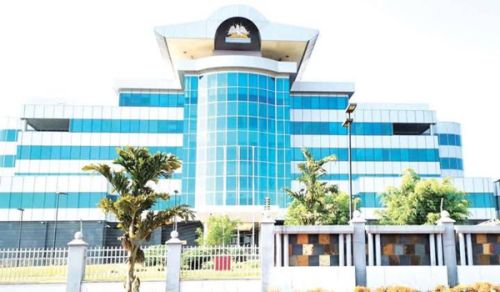
Malawi’s central bank announced a 200-basis-point reduction in its benchmark interest rate, lowering it from 26% to 24%, the Reserve Bank of Malawi said in a statement.
The Monetary Policy Committee cited a gradual decline in inflation as the reason for the rate cut.
“The current inflation outlook allows for a cautious reduction in the Policy Rate, while maintaining a sufficiently tight monetary policy stance, to continue steering inflation towards the medium‑term objective of 5.0 percent,” the statement said.
Inflation in Malawi has eased over recent months, falling from 29.2% in the fourth quarter of 2024 to 27.7% in the fourth quarter of 2025, and further to 24.9% in January 2026. The reduction has been largely attributed to lower food prices, following government measures to boost maize supply. However, non-food prices, including fuel and electricity, have risen, keeping non-food inflation elevated.
The central bank anticipates that inflation will continue to moderate throughout 2026, supported by improved food supply from the 2025–2026 agricultural season and ongoing government food assistance programs.
Despite signs of improvement, Malawi’s macroeconomic situation remains fragile. The country has faced persistent challenges, including external shocks, structurally weak growth, high inflation, and an unsustainable fiscal and debt trajectory. Drought conditions have also affected agricultural output, while foreign currency and fuel shortages continue to weigh on economic activity.
The International Monetary Fund (IMF) estimates Malawi’s real GDP growth at 2.4% in 2025, up from 1.8% in 2024, but still below the population growth rate. Over the longer term, the IMF projects modest economic growth of 3.4% by 2029, with inflation remaining elevated at around 15%.