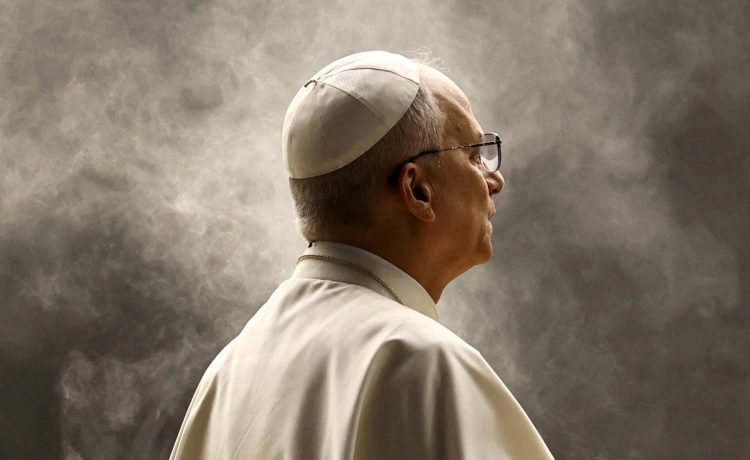
Pope Leo will depart on Monday for a 10-day, four-country tour of Africa, his first major overseas trip of 2026, aimed at drawing global attention to the continent where more than a fifth of the world’s Catholics reside.
From April 13–23, Leo will travel nearly 18,000 km (11,185 miles) and visit 11 cities and towns in Algeria, Cameroon, Angola, and Equatorial Guinea. His whirlwind itinerary includes 18 flights, 25 speeches, and meetings with political and religious leaders.
“By heading to Africa so early in his pontificate, the pope shows that Africa matters,” said Cardinal Michael Czerny. “Leo wants to make sure that Africa is not forgotten by countries and people caught up in their own concerns.”
Vatican officials note that the tour is a personal priority for Leo, the first U.S. pope and successor to the late Pope Francis. The continent is home to the fastest-growing Catholic population, with three of the countries on the itinerary having more than half of their populations identifying as Catholic. Equatorial Guinea, which has not seen a papal visit since 1982, is more than 70% Catholic, while Algeria is predominantly Muslim with fewer than 10,000 Catholics among its 48 million people.
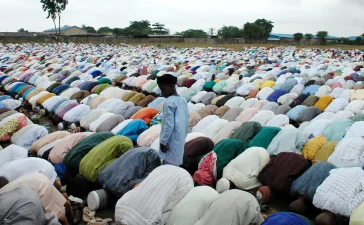
During his visit, Pope Leo is expected to promote Catholic-Muslim dialogue in Algeria, including a visit to the Great Mosque of Algiers. He will also travel to Annaba to visit the ruins of Hippo, a site significant to his Augustinian religious order and the teachings of St. Augustine of Hippo.
In Cameroon, the Pope will hold a “meeting for peace” in Bamenda, the largest city in the Anglophone region, where conflict between separatist movements and the government has killed thousands since 2017. In Bata, Equatorial Guinea, he will pray at the site of a 2021 military barracks explosion that claimed over 100 lives.
The Pope’s tour is seen as a signal of the Church’s commitment to Africa, emphasizing resilience, hope, and reconciliation amid political instability and humanitarian challenges.
“The choice of Africa for this tour is not random,” said Djamila Cassoma, an Angolan lawyer and entrepreneur. “Many of the major global challenges are concentrated here, but it is also here that they can be re-imagined.”