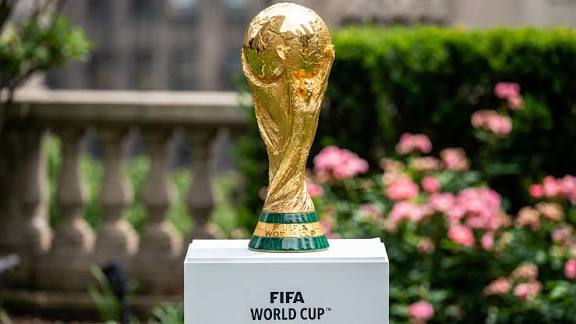
Ticket prices for the 2026 FIFA World Cup have sparked global anger after seats on FIFA’s official resale platform appeared for tens of thousands of dollars, with one ticket listed for as high as $143,750.
The listings surfaced just weeks after the main ticket sales phase ended in January, raising concerns that ordinary fans are being priced out of football’s biggest tournament.
Sky-high prices
Some of the resale figures shocked supporters:
- Opening match (Mexico vs South Africa, Azteca Stadium): $5,324
- Original price: $895
- World Cup final (New Jersey): $143,750
- Original price: $3,450
- Cheapest final ticket available: $9,775
That means some seats are selling for more than 40 times their face value.
A few tickets are cheaper than their original price, but those cases are rare.
Why fans are upset
Supporters say the system benefits resellers rather than genuine fans.
Guillaume Aupretre, spokesperson for France’s “Irresistibles Francais” supporters group, said:
“These exorbitant prices don’t surprise me. Many people buy just to resell. In the end, real fans pay the price.”
Fan groups argue that the tournament is becoming a luxury event, accessible only to the wealthy.
FIFA’s position
FIFA says it only facilitates resale, charging a 15% service fee, and that sellers set their own prices.
The governing body defended its pricing model, saying it reflects market practices for major sports and entertainment events.
It also pointed to:
- limited $60 tickets for official supporters’ groups
- “variable pricing” during sales phases based on demand
- a final “last-minute” sales round starting in April
However, critics say those measures do little to stop inflated resale costs.
Bigger picture
The controversy highlights growing tensions around ticket affordability in global football.
The resale market is largely unregulated in the United States and Canada, making price controls difficult.
With FIFA reporting 500 million ticket requests worldwide, demand is far outstripping supply — creating perfect conditions for extreme markups.
For many fans, the fear is simple:
The World Cup may be turning into an event they can only watch on TV.