Cancer is no longer a distant diagnosis in Nigeria. It is now a growing public health emergency that is reshaping families and straining the health system.
Speaking to Good Health Weekly, Dr. Omolola Salako said the country is battling rising cases, late diagnoses, limited specialists and high treatment costs. She described the situation as both a medical and financial crisis.
Over the past two decades, she has worked to improve cancer care. She founded Sebeccly Cancer Care in 2006, launched Oncopadi Digital Health in 2017 and opened Pearl Oncology Specialist Hospital in 2021. Through these platforms, more than 30,000 Nigerians have received preventive services, while over 5,000 patients have received cancer care.
Her journey into oncology was shaped by personal loss after losing her sister to cancer.
Cancer Is a Family Crisis
Dr. Salako said cancer is never an individual diagnosis. It affects entire families.
“The family’s level of understanding and support often determines survival,” she explained.
However, many families are overwhelmed and lack basic health literacy. This weakens support systems at a time when patients need them most.
She also stressed that Nigeria is failing at prevention. Many cancers, she said, could be prevented through vaccination and routine screening. Yet, patients continue to present with late-stage disease.
Fear and Myths Are Costing Lives
According to her, fear remains one of the biggest challenges.
Many newly diagnosed patients struggle with the “fear of the unknown” and ask, “Why me?” Some believe cancer is a spiritual attack or the result of enemies.
She warned that fear often leads patients to abandon evidence-based treatment. Some turn to unverified alternatives. Others move from hospital to hospital without starting therapy.
“These delays can be deadly,” she said.
Dr. Salako emphasised that early detection and timely treatment save lives. She urged Nigerians not to let fear dictate medical decisions.
Most Common Cancers in Nigeria
Data from 2022 show that more than 127,000 Nigerians were diagnosed with cancer.
The most common types include:
- Breast cancer
- Prostate cancer
- Cervical cancer
- Colorectal cancer
- Non-Hodgkin’s lymphoma
Women account for over 60 percent of cancer cases in Nigeria and experience higher mortality rates.
Liver cancer is also rising due to chronic Hepatitis B and C infections, which are common in the country.
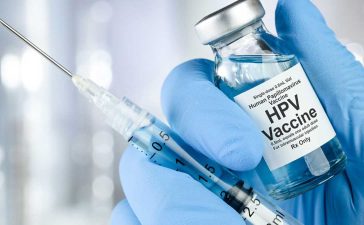
Cervical cancer, largely caused by persistent Human Papillomavirus (HPV) infection, remains a major concern. Dr. Salako said vaccination of girls from age nine and routine screening for women could drastically reduce cases.
Lifestyle and Environmental Risks
Dr. Salako said about 40 percent of cancers are preventable.
Environmental pollution plays a major role. In areas like the Niger Delta, residents are exposed to black soot and industrial pollutants daily. These carcinogens increase cancer risk.
Lifestyle changes are also contributing. Diets high in processed foods and red meat, combined with obesity and low physical activity, are raising cancer risks.
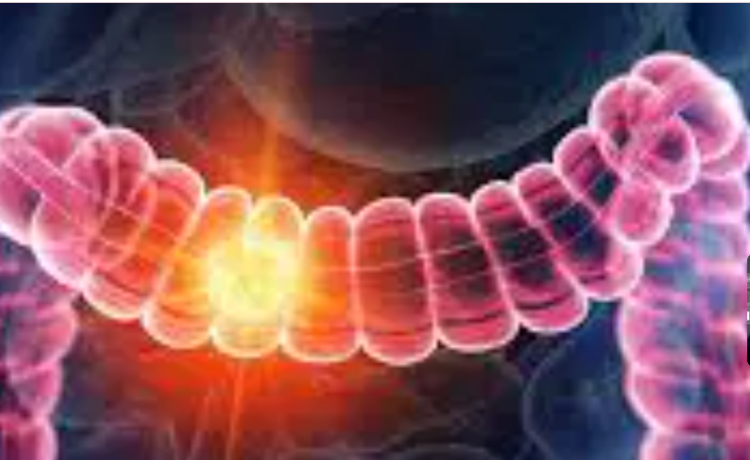
She explained that excessive red meat consumption affects the gut microbiome. Certain bacteria convert carnitine into a compound linked to colon cancer.
“Food is not just culture; it is chemistry,” she said.
High Cost of Treatment
Cancer care is expensive. Treatment may include surgery, chemotherapy, radiotherapy, targeted therapy and immunotherapy. Many drugs and machines are imported.
Without comprehensive insurance coverage, families pay out of pocket. Some sell property or seek public donations. Others stop treatment midway due to lack of funds.
She noted that Nigeria has fewer than 100 clinical oncologists serving a population of over 200 million people. Radiotherapy centres are also limited.
The National Health Insurance Scheme provides limited cancer coverage, leaving many patients vulnerable.
Rising Cases or Better Diagnosis?
Dr. Salako said the rise in cancer cases is due to two factors. Increased awareness and screening are improving detection rates. At the same time, pollution, infections and lifestyle changes are genuinely increasing incidence.
Message to Nigerians
Despite the challenges, she offered hope.
“Cancer may be part of your story, but it does not have to define it,” she said.
She urged Nigerians to prioritise vaccination, routine screening and evidence-based treatment.
According to her, prevention, early detection and informed decisions remain the strongest weapons in Nigeria’s cancer fight.